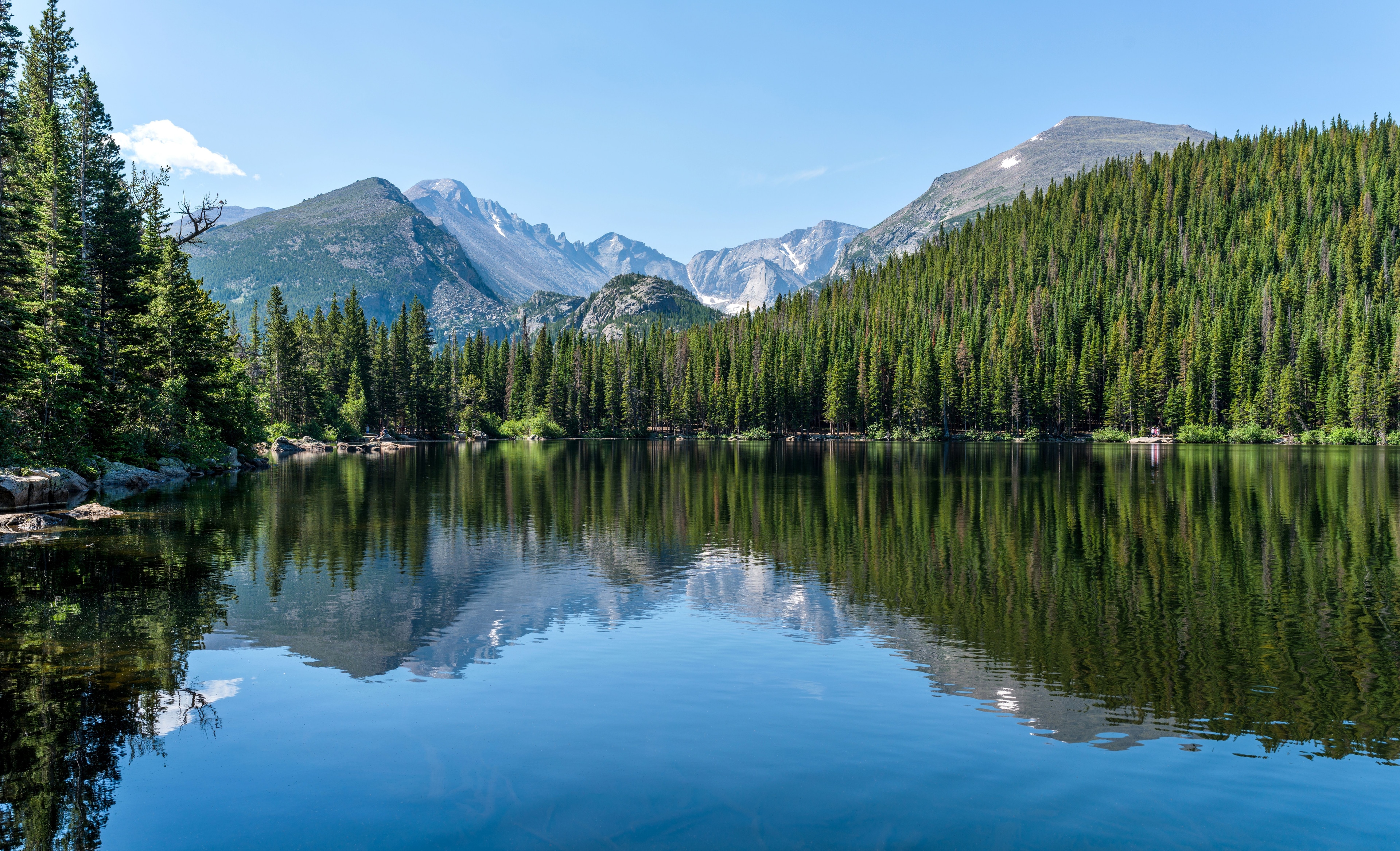
Rocky Mountain National Park (RMNP)
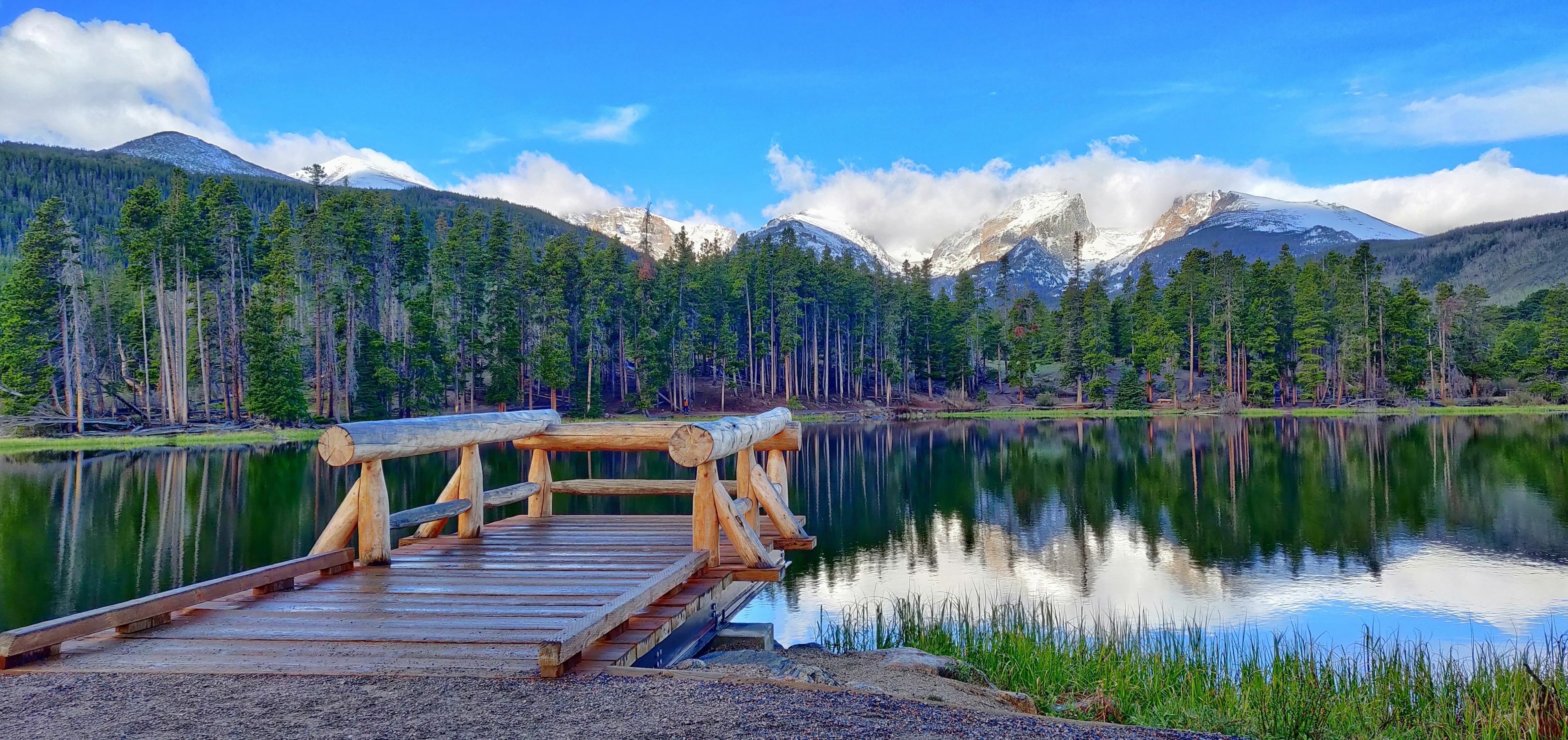
Stunning landscapes, sparkling alpine lakes, jaw-dropping rugged mountains, picturesque hiking trails, and gorgeous wildlife; Colorado’s crown jewel is an unforgettable high-altitude escape.

Type of Area
National Park

Address

Nearest Town
Estes Park
Key Features

Park Size
415 square miles (265,807 acres)

Highest Point
Longs Peak (14,259 ft / 4346 m)

Major Wildlife
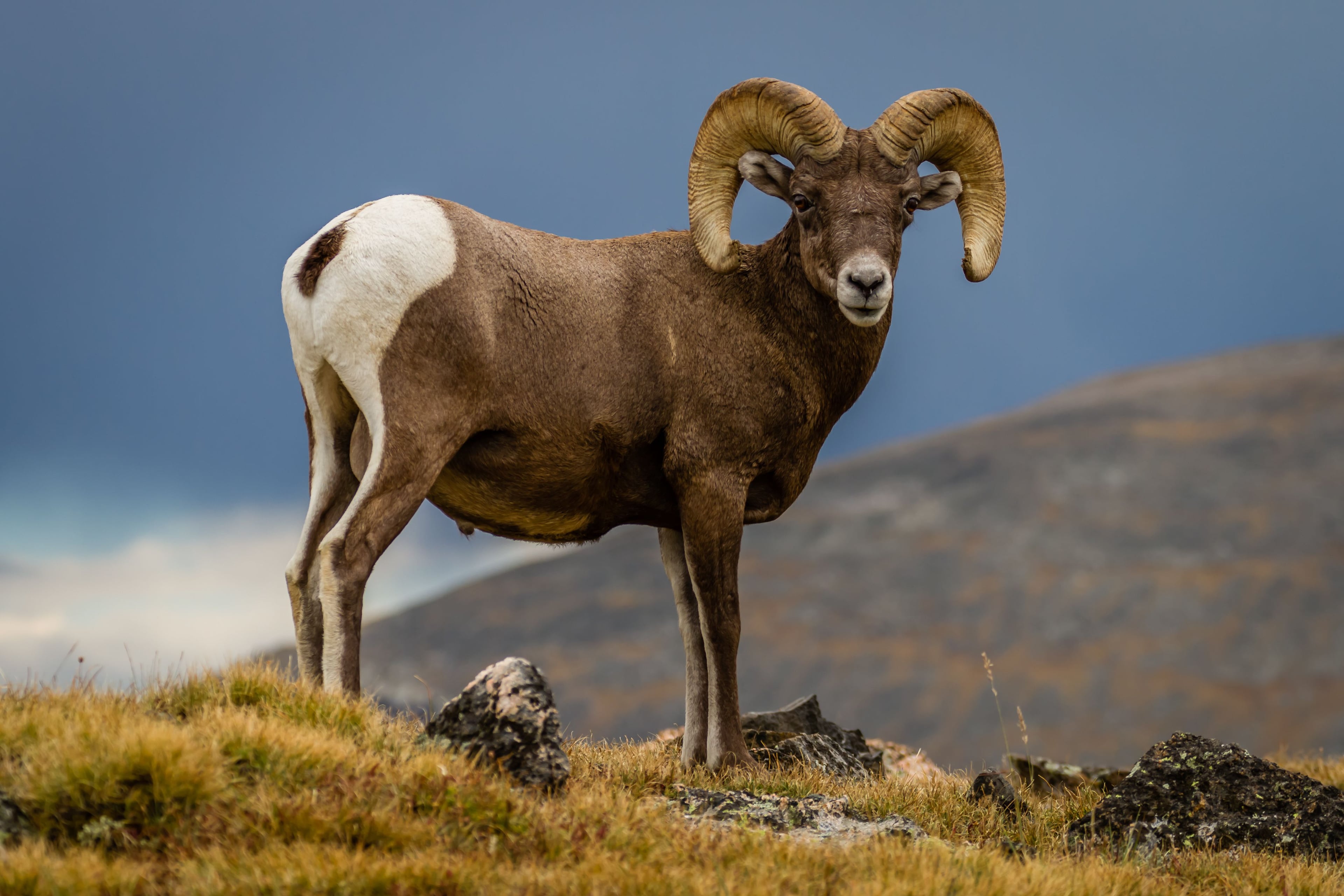
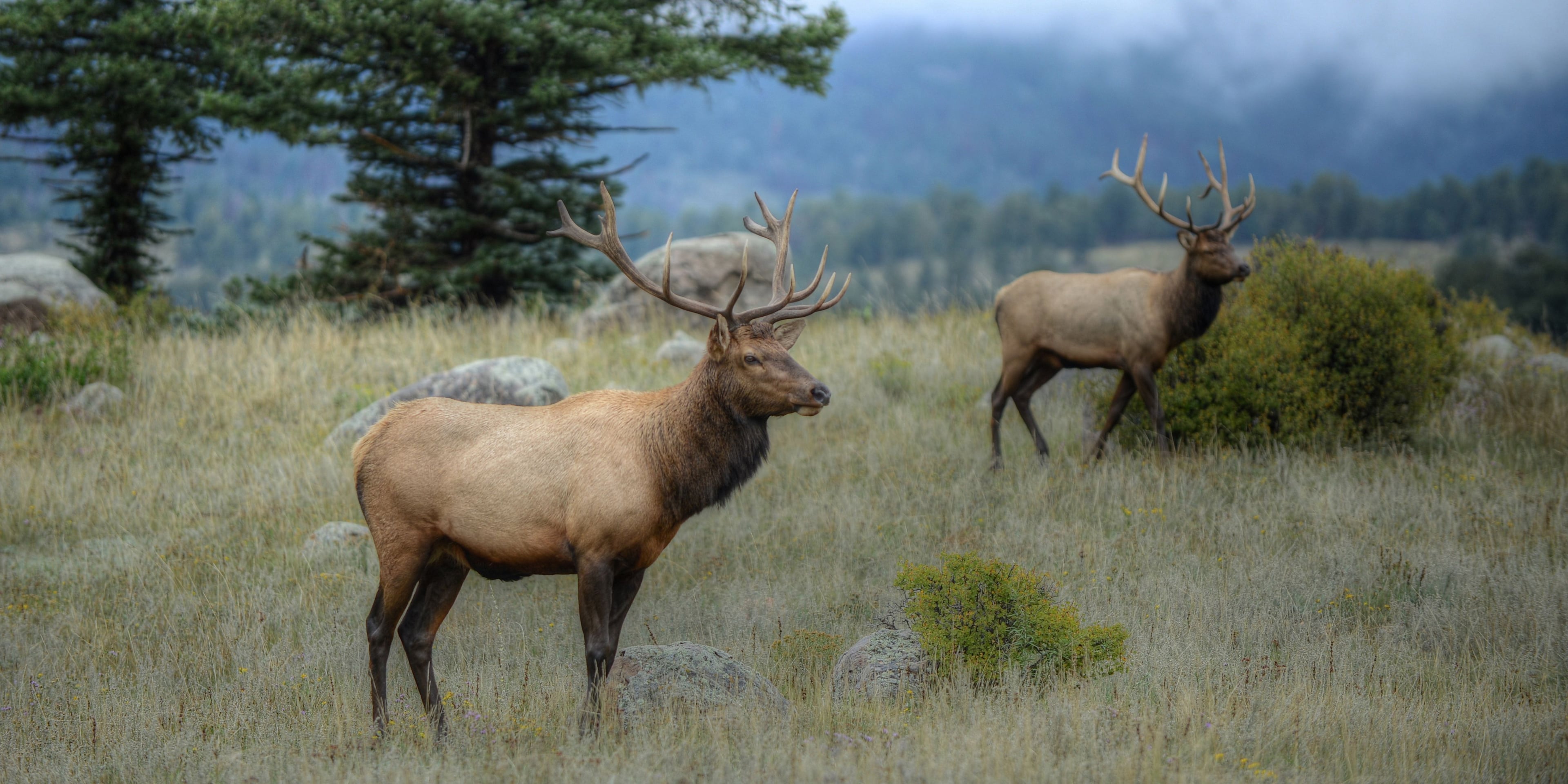
Elk; Moose; Bighorn Sheep; Black Bears; Coyotes; Pika; White-Tailed Deer; Ptarmigan; Yellow-Bellied Marmot

Miles of Trail
355 miles (571 km) of hiking trails

Popular Activities
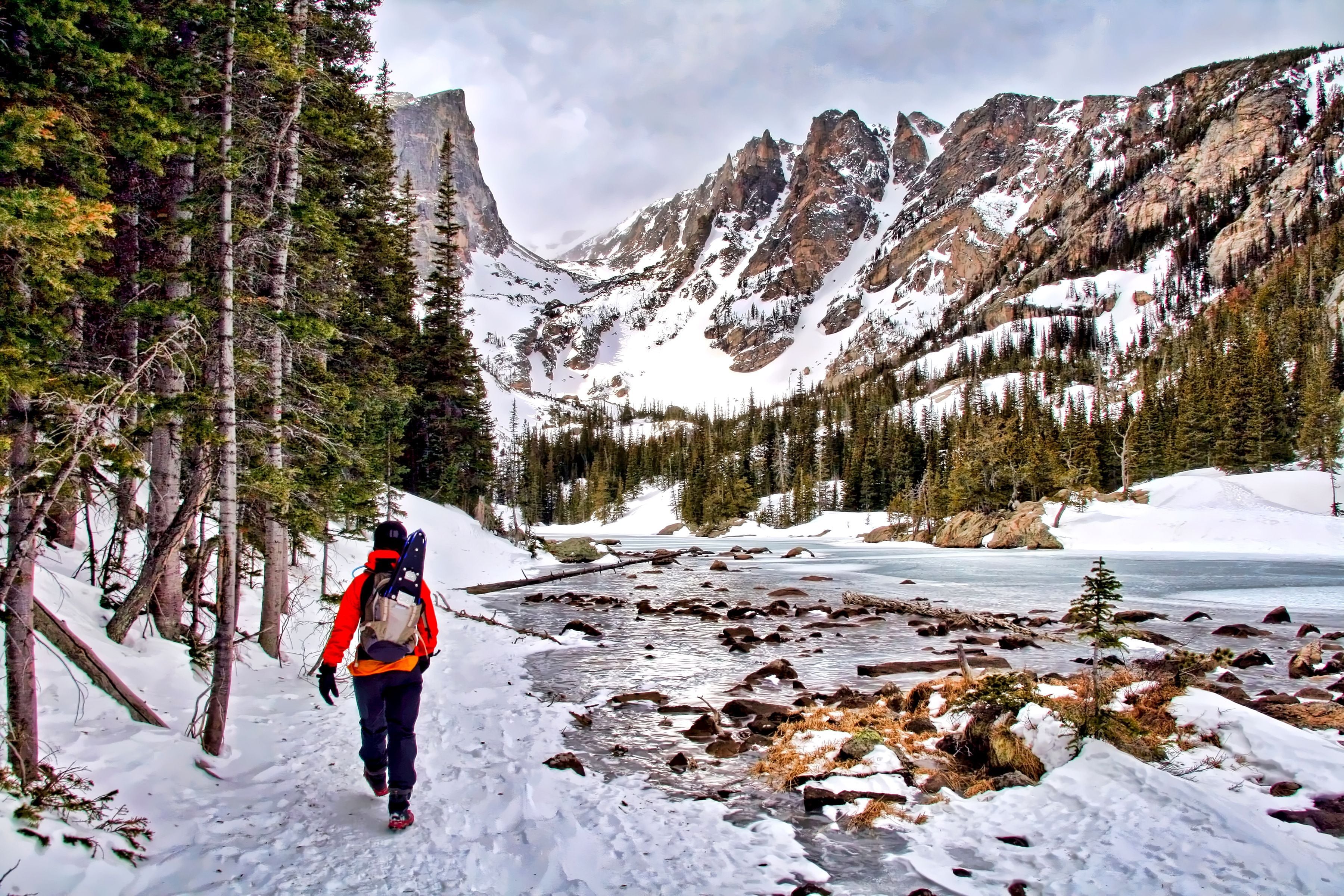
Hiking; Scenic Driving; Wildlife Viewing; Snowshoeing

Scenic Views
Trail Ridge Road; Bear Lake; Emerald Lake Trail

WiFi Access
Beaver Meadows, Fall River, Alpine, & Kawuneeche Visitor Centers

Best Time to Visit
Summer (June to September) and Fall (Mid-September to early October)
Overview
Dubbed nature’s adventure ground, Rocky Mountain National Park (RMNP) is where mountain dreams come to life.
Maps
Maps
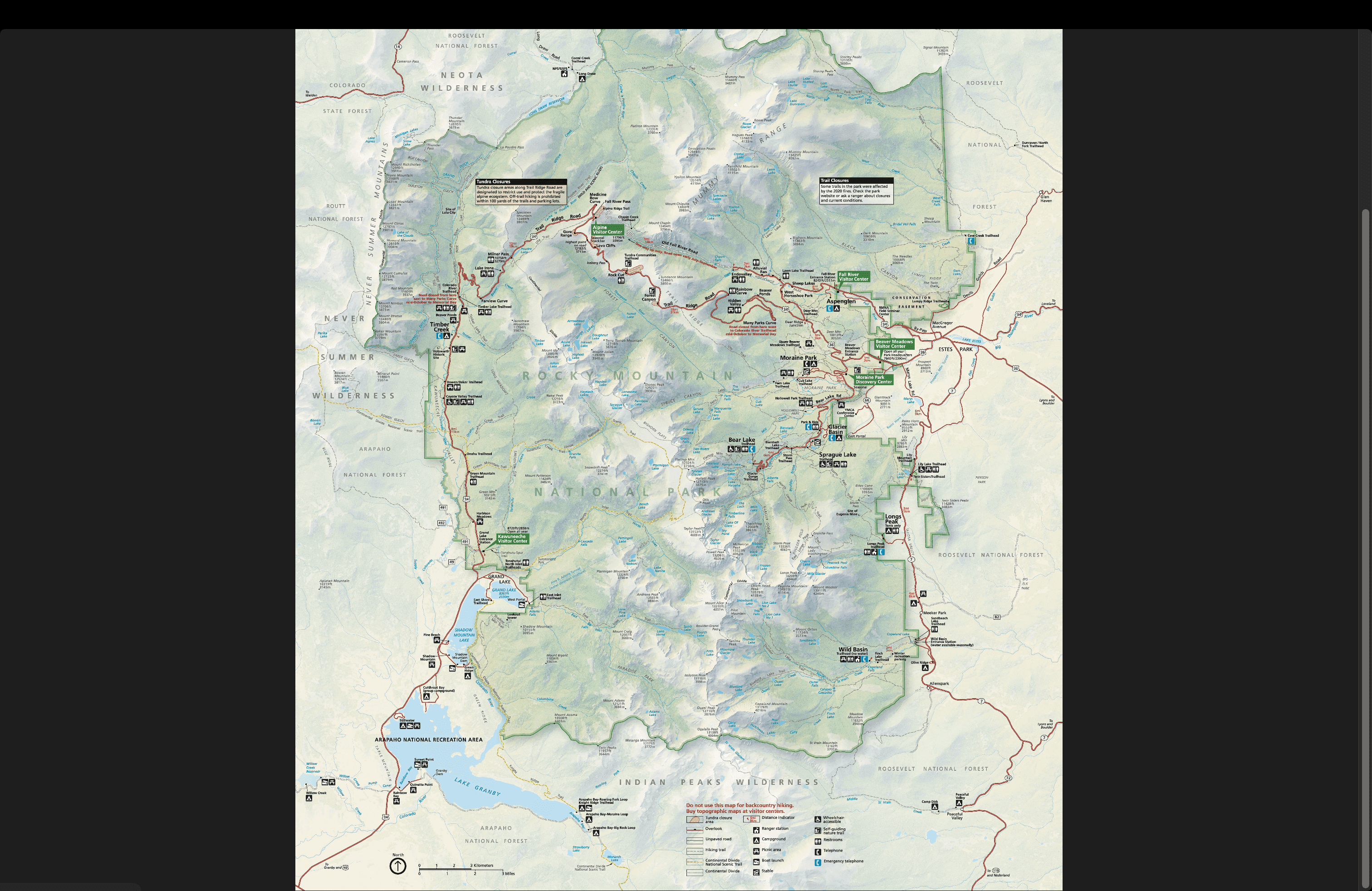
Bear Lake Summer Trails, Fall River Trails (includes Lumpy Ridge), Kawuneeche Valley Trails
Entrances & Fees
Park Entrances
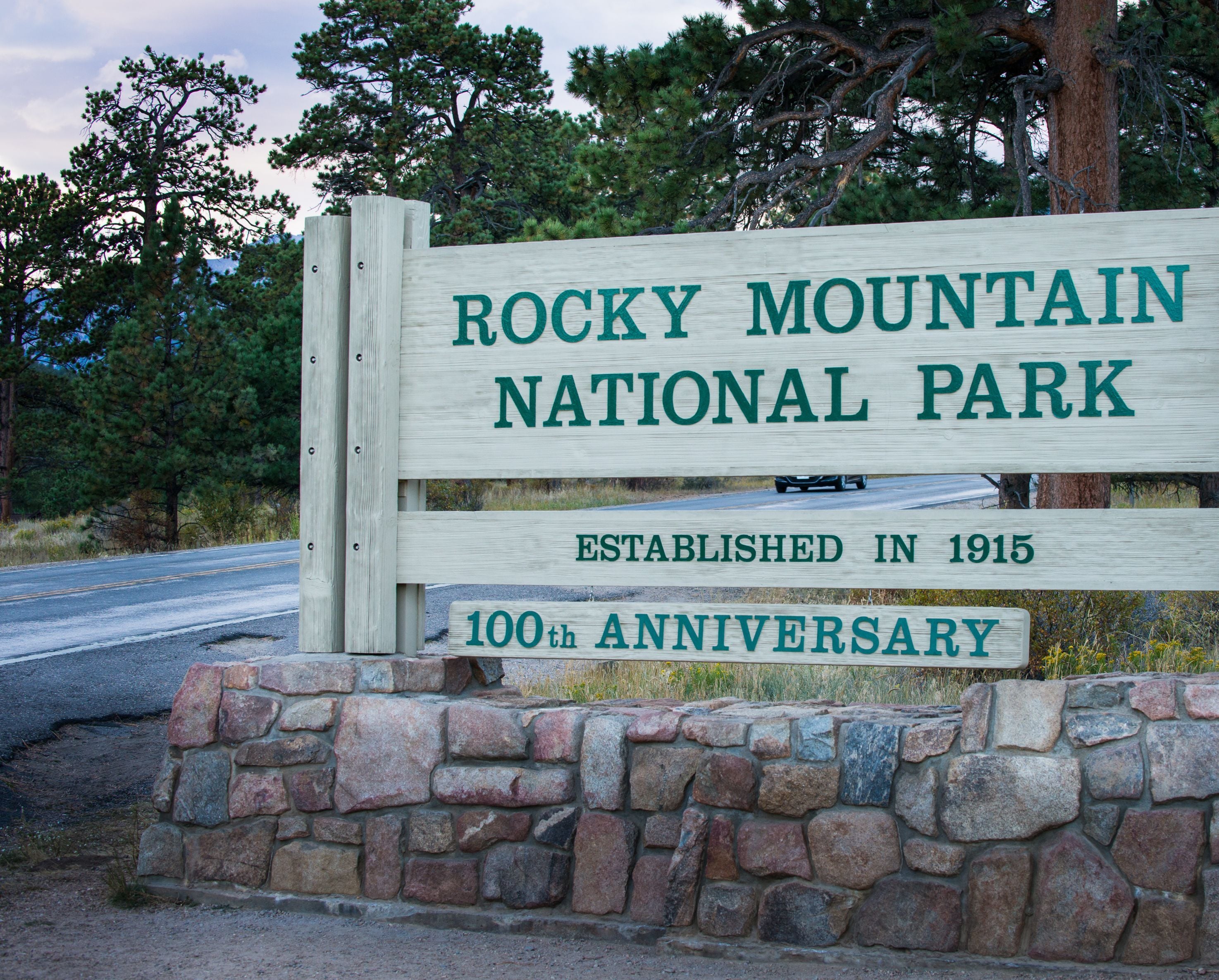
Rocky Mountain National Park has four main entrances: Beaver Meadows, Fall River, Wild Basin, and Kawuneeche.
Fees & Passes
RMNP requires all visitors to have a valid entrance pass or permit to enter the park and offers various options for fees, passes, and permits.
Activities
Facilities
Accessibility & Seasonal Info
Accessibility
While RMNP’s rugged terrain is full of steep trails and dramatic peaks, the park has worked hard to make its beauty accessible to everyone, no matter your mobility level. All the main visitor centers, Beaver Meadows, Fall River, Kawuneeche, and Alpine, are wheelchair-accessible.
Seasonal Access & Weather
Depending on when you plan to visit RMNP, you need to be prepared for any possible road/trail closures or inclement weather. Each season comes with it's own weather considerations.
Seasonal Closures
Seasonal Closures
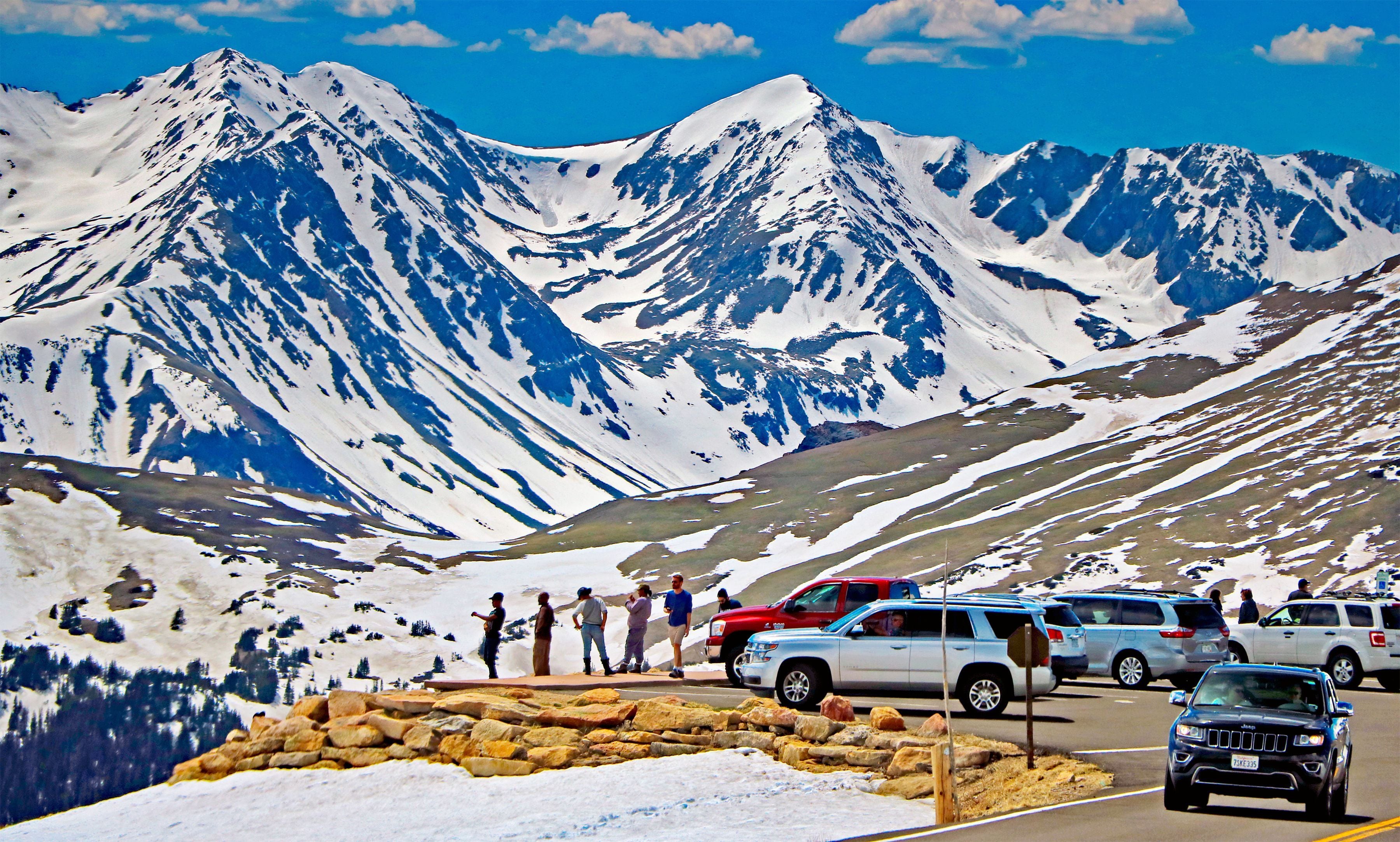
High elevation roads in RMNP close each year for the winter and reopen in late spring or early summer, depending on conditions. The two most notable seasonal road closures are Trail Ridge Road and Old Fall River Road.
History & Culture
History & Culture
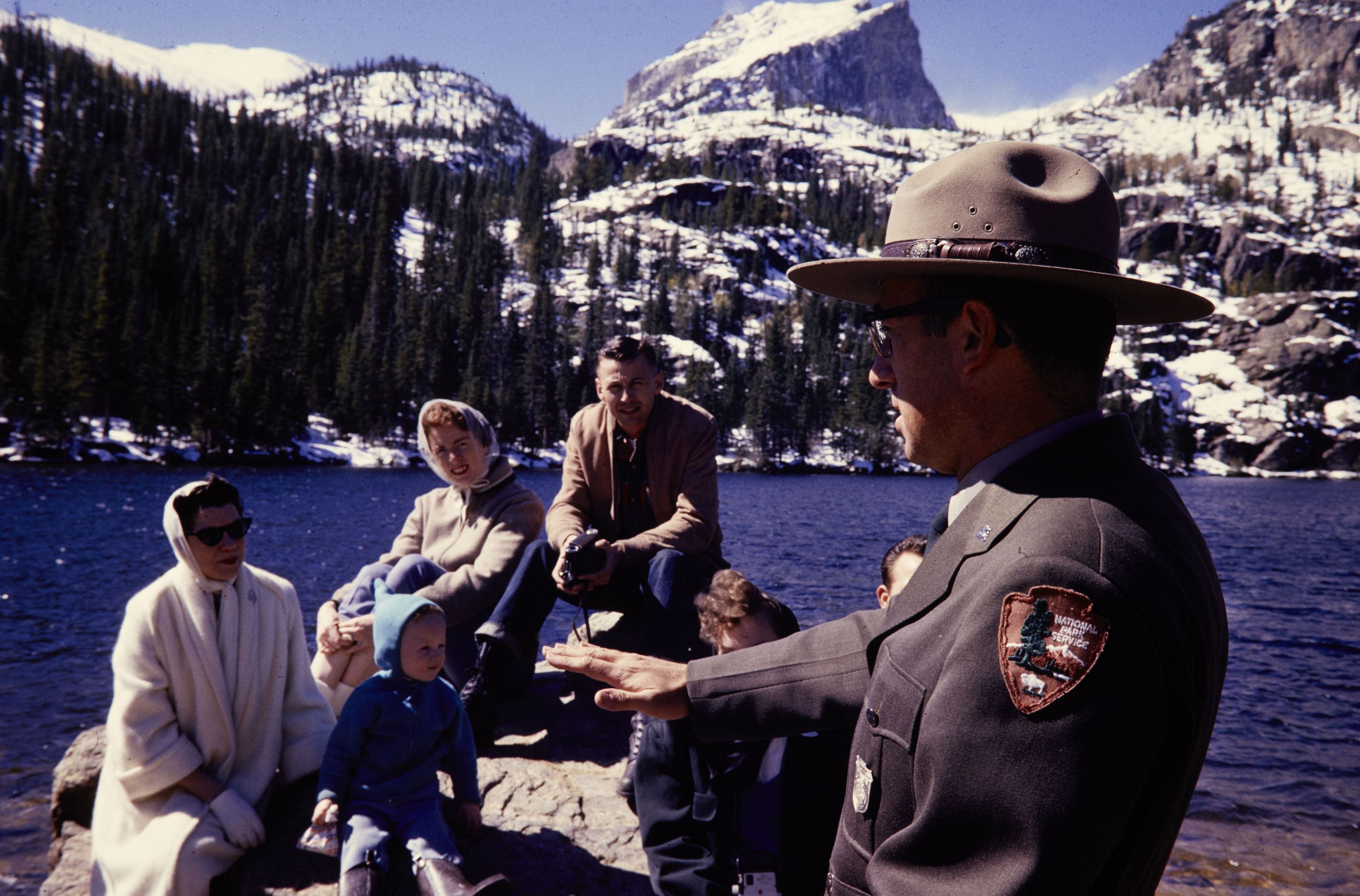
Rocky Mountain National Park (RMNP) holds deep historical and cultural significance as both a natural wonder and a preserved piece of American heritage. Established in 1915, it represents one of the earliest efforts to protect high-altitude wilderness in the U.S. The park is home to ancient Indigenous lands, once inhabited and traversed by the Ute and Arapaho peoples, whose presence and traditions are still honored today. RMNP symbolizes the broader conservation movement, offering a place where people can connect with the awe of the Rockies, reflect on the country's environmental legacy, and experience a landscape largely unchanged for centuries.
Geology & Ecology
Geology & Ecology
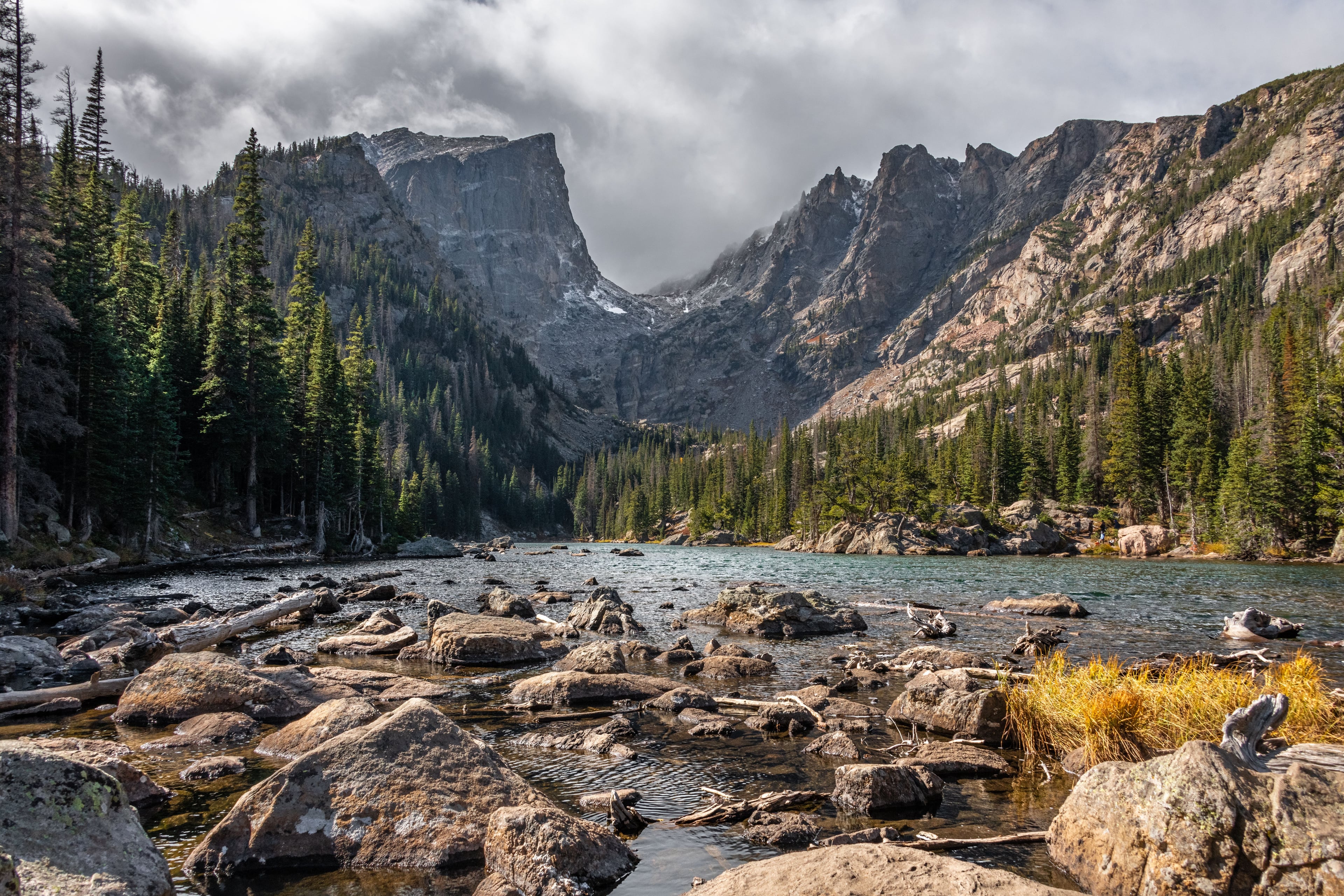
Rocky Mountain National Park showcases dramatic geology, diverse ecosystems, and abundant wildlife. Towering granite peaks, shaped by ancient uplift and glacial carving, define its rugged landscape. The park spans five life zones, from montane forests to alpine tundra, supporting a rich variety of plant life—from wildflowers to subalpine fir. Wildlife thrives here, including elk, mule deer, black bears, bighorn sheep, and over 280 bird species. This unique blend of geology and ecology makes RMNP a living laboratory and a sanctuary for both biodiversity and natural beauty.
Regulations & Considerations
Regulations & Considerations
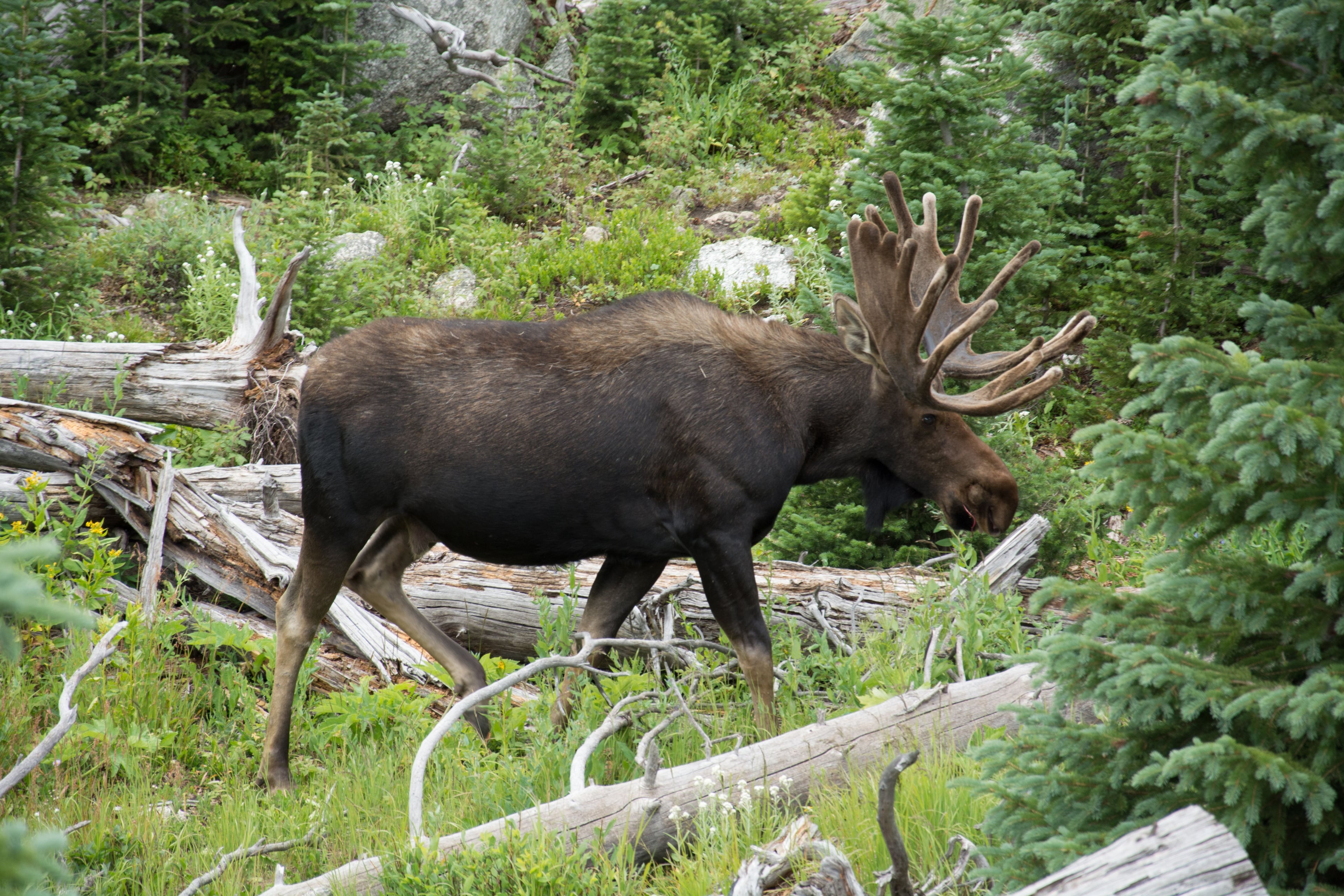
Please abide by all regulations during your visit at Rocky Mountain National Park. Stay on designated hiking paths and camping sites; Stay at least 75 ft (25 yds) from most wildlife, and 120 ft (40 yds) from moose, bears and mountain lions; Abide by all current fire restrictions.