Rocky Mountain National Park (RMNP)
Seasonal Access & Weather
Seasonal Access
Spring (April - May)
Spring comes slowly to the Rockies. While lower trails begin to thaw, higher-elevation trails can stay snowy or icy well into May. It’s a beautiful time to visit, just be ready for mixed conditions, and check trail and road updates before you go. Trail Ridge Road generally opens in late May.
Summer (June - August)
This is peak season. Almost everything is open: most roads (Old Fall River Road rarely opens before the first week of July because of snow removal), all campgrounds, all visitor centers, all shuttle buses; you name it. Wildflowers bloom, lakes glisten, and the whole park feels alive.
Fall (September to November)
Fall is glorious in RMNP, golden aspens light up the mountainsides, elk start bugling, and most areas are still accessible until the snow starts to return. It’s quieter than summer, but just as spectacular. Trail Ridge Road usually closes for the winter by mid‑October.
Winter (December - March)
This is when the high country goes quiet and snow takes over. Roads like Trail Ridge Road, which cuts through the heart of the park, close for the season by late October and usually don’t reopen until late May or even June. Lower-elevation roads on the east side, like Bear Lake Road, stay open year-round (weather permitting), though they might temporarily close during snowstorms. On the west side, the road is plowed only up to the Colorado River Trailhead, beyond that, it’s all snowpack.
Weather Considerations
Spring (April - May)
Spring arrives to the montane area (8,000 - 9,500 feet) in late April, though late snowstorms remain common.
Weather toggles rapidly between warm and cold, wet and dry. By June, spring finally comes into the subalpine zone (9,500 - 11,500 feet) while summer is already on the plains. Wildflowers appear at low elevations in late April or early May, but many trails stay snow‑covered well into May. Trail Ridge Road reopens in late May.
Summer (June - August)
At lower elevations, summer days feel perfect; warm and sunny, often around 70°F. But by afternoon, thunderstorms are common, especially in June, July and August. Lightning is a serious danger above the treeline, so start hikes early and try to be off exposed ridges by early afternoon. A blue sky can turn stormy in minutes.
On the alpine tundra (11,500 - 13,000 feet) wildflowers bloom from late June through early August. Expect afternoon thunderstorms, gusty winds, and routine temperature drops of 10 - 20°F, even on clear mornings.
Fall (September to November)
September and October usually bring crisp air, deep‑blue skies, and generally dry days, although early snowstorms can sweep through. Aspen leaves begin turning gold in mid‑September. Elk mating season starts about the same time and lasts well into October. Trail Ridge Road normally closes for the winter by mid‑October as storms and ice make the pavement impassable.
Winter (December - March)
East‑slope valleys are often free of deep snow, but the high country slips into an arctic mode of sudden blizzards, fierce winds, and thick snowpack. West of the Divide it is snowier and less windy with many bright, cold days. Any overnight trip into the high country demands gear rated to -35 °F or colder. Skiing and snowshoeing peak from January through March.
Up high, winter can show up as early as September and linger into May. Expect heavy snow, fierce winds, and freezing temps, especially in the alpine tundra, which feels more like the Arctic. Trail Ridge Road travelers should be ready for sudden temperature drops and even surprise snow or hail, even in July.
Year-Round Reminders
Hypothermia is possible any time of year (yes, even in summer), if you get wet or caught in a storm without layers.
The sun is stronger at high altitudes, so wear sunscreen, sunglasses, and a hat to protect your skin and eyes.
In winter and spring, some backcountry areas are avalanche-prone, always check snow conditions if venturing out.
Roads can be icy at times, especially in the early morning or after sunset, so drive cautiously.
In a nutshell, it’s always smart to check the forecast or visit the park’s weather page before heading in. And as the rangers say: “Be prepared to turn back if the weather turns or if you’re hitting your limits.”
Trail Conditions and Alerts
Trail conditions in RMNP vary greatly with season and weather, and the park issues alerts to help hikers prepare. Overall, most park trails are open year-round, but conditions can effectively “close” them to all but the best-prepared. Here are the key points about trail conditions and related alerts:
Snow and Ice
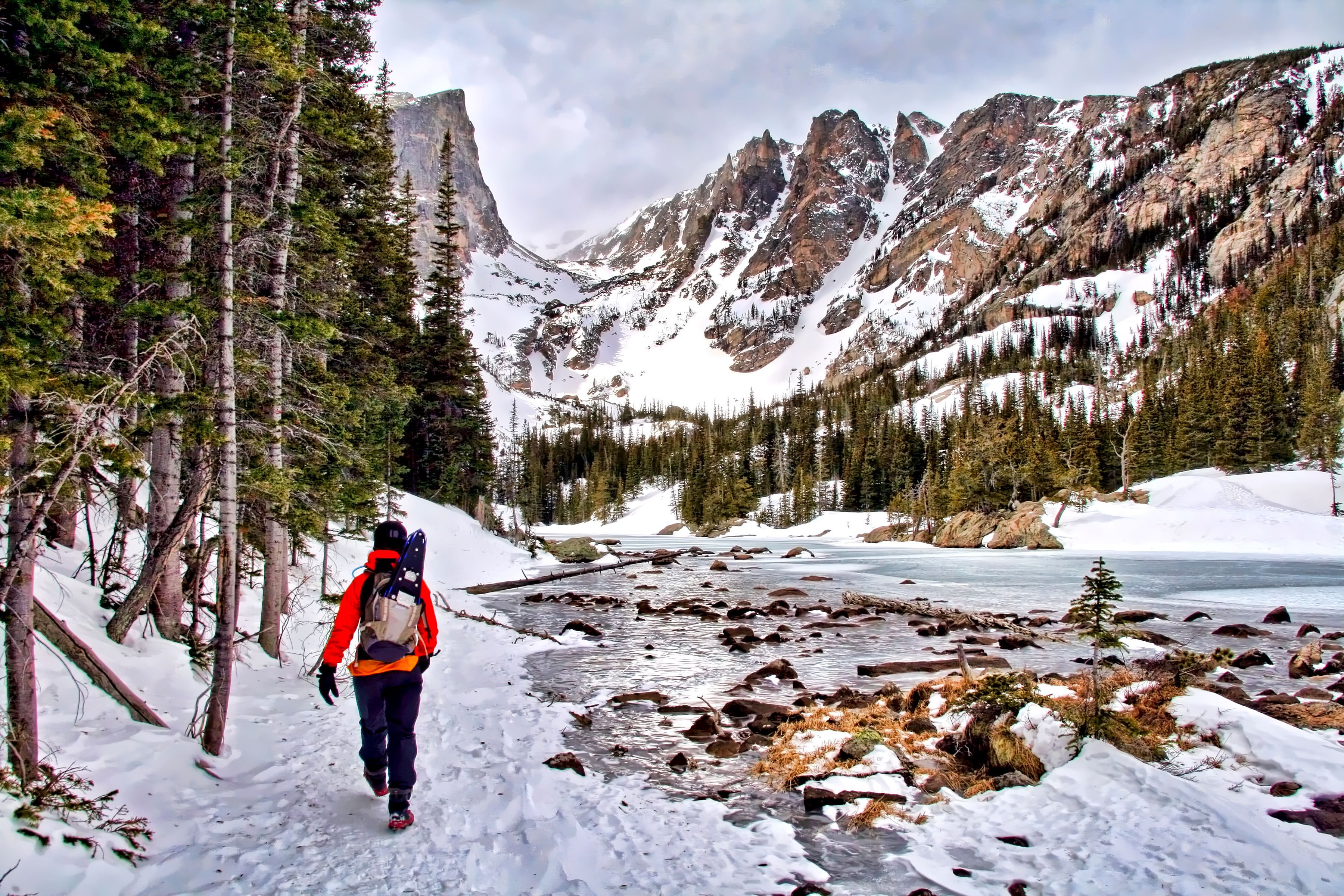
For much of the year, especially from October through May, and sometimes into June or even July at higher elevations, many trails in RMNP are covered in snow and ice. Don’t let the sunshine at the trailhead fool you: conditions can change quickly with elevation.
If you’re hiking anytime from late fall to late spring, expect full-on winter conditions.
That means:
- Pack traction gear (like microspikes or crampons) for icy sections
- Bring snowshoes for deeper snow, especially if you're venturing past lower trail segments
- Be prepared for trail signs buried under snow, and know how to navigate without clear paths
- Above treeline, you’ll likely encounter wind-packed snowdrifts and unmarked routes
The park doesn’t formally close these trails, but it warns visitors when they're in “winter condition.” Trails like Chasm Lake, Sky Pond, and the Trail Ridge summit area are often impassable or dangerous into early summer.
And one critical tip: don’t follow other people’s footprints unless you’re absolutely sure they’re going the right way. In winter, trails can vanish under snow and the only “path” might lead you off-route, or into trouble.