Rocky Mountain National Park (RMNP)
Regulations & Considerations
Park Rules
Camping: Camping is only allowed in designated campgrounds or at official wilderness campsites with a permit. Quiet hours in campgrounds run from 10 pm - 6 am, and generators must also be turned off during that time.
Group Sizes: Group sizes may be limited depending on the activity. Backcountry sites usually allow 7 to 12 people per site. Larger groups may need to split or reserve special group sites. Organized bike groups with more than 25 riders need a special permit.
Pets: Pets are not allowed on any park trails, tundra, or meadows. They are only allowed in parking areas, roadsides, campgrounds, and picnic areas, and must be leashed at all times (the leash should be no longer than six feet). Pet waste must be picked up, and pets can’t be left tied up or unattended. They’re also not allowed inside any visitor centers.
Littering and Vandalism: Littering, damaging natural features, or removing rocks, plants, or artifacts is prohibited. Visitors must always stay on established trails, shortcutting switchbacks or wandering off-trail harms sensitive terrain and is not allowed.
Mechanized Travel: Because most of the park is federally protected wilderness, mechanized travel is restricted. Vehicles, including bicycles, are restricted to designated roads that are open for travel. Vehicle use on trails or off road is prohibited.
Hunting: Hunting is not allowed in RMNP. Fishing is allowed but requires a valid Colorado state fishing license for anyone who’s 16 or older. Children that are 12 years old or younger may use bait in waters open to fishing, except in designated catch and release areas.
Firearms: It is the responsibility of every RMNP visitor to know and follow all federal, state, and local gun laws. You may openly carry a handgun or rifle, and you may transport those firearms in your vehicle; concealed carry is also allowed if you hold a valid Colorado permit (or a permit recognized by Colorado). Firearms, however, are forbidden inside federal buildings such as visitor centers, ranger stations, and administrative offices; look for the posted signs at every public entrance. Recreational target shooting or any discharge of a firearm is illegal inside the park, and guns are not regarded as a safe way to deter wildlife. Rangers recommend bear spray and other standard wildlife‑safety practices instead. Other weapons, including bows, crossbows, slingshots, and air‑propelled guns, are prohibited.
Timed Entry Permit: From May 23 through mid-October 2025, you’ll need a Timed Entry Permit to enter the park during peak hours. These permits are split into two types; one for the Bear Lake Road corridor (from 5:00 a.m. - 6:00 p.m.) and one for the rest of the park (from 9:00 a.m. - 2:00 p.m.). The permit costs $2 and is meant to reduce crowding and protect the park. Outside of those hours or outside the season, no timed-entry is needed, but you’ll still need a valid park entrance pass. Campground, in‑park lodging, and wilderness/back‑country permit holders (as well as authorized commercial tours) may enter without a timed‑entry reservation during the restricted hours, your reservation or permit serves as your access.
Wildlife Cautions
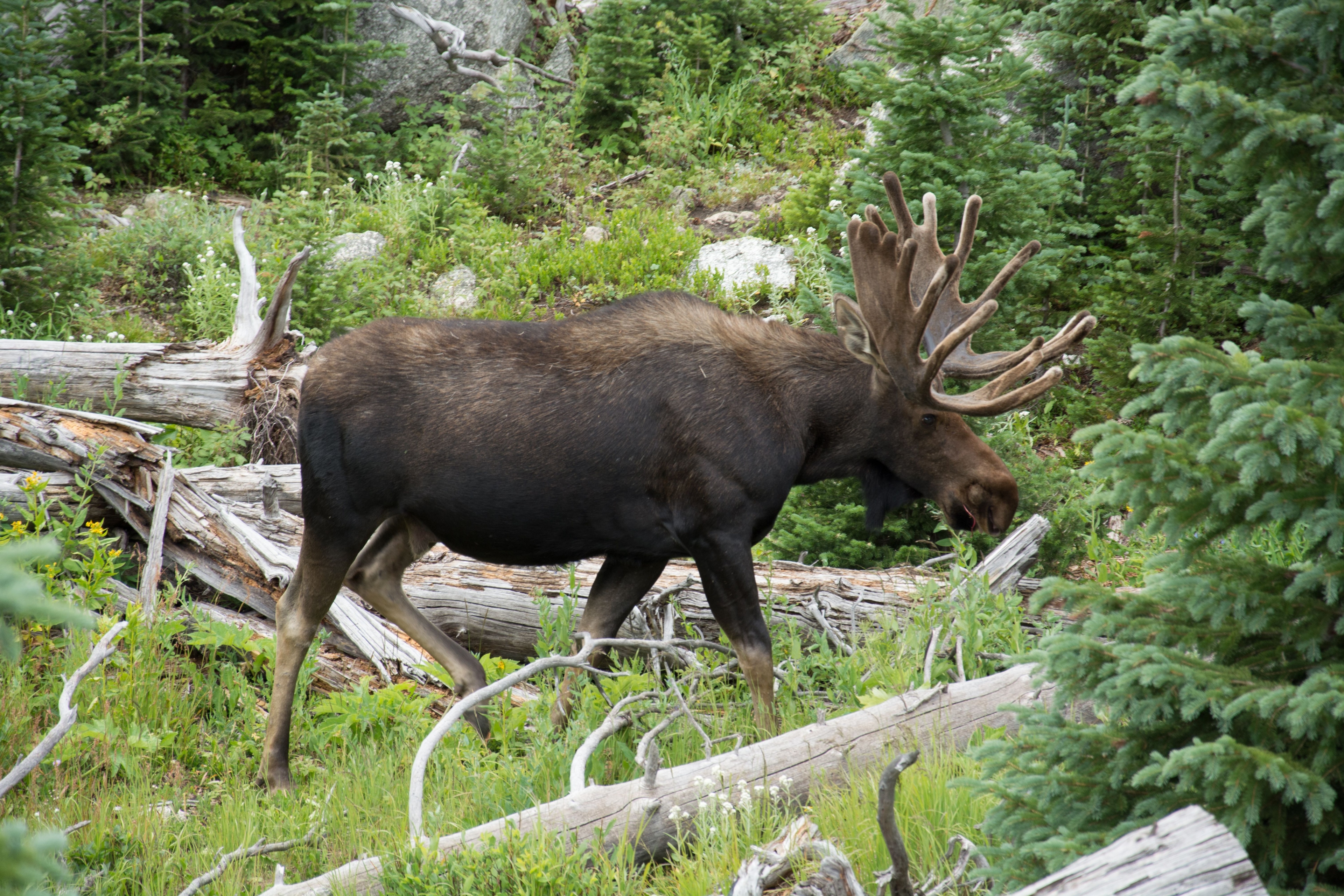
RMNP is home to big wild animals like elk, moose, black bears, mule deer, and bighorn sheep. These animals roam free and can be dangerous if you get too close. Park rules say you must stay at least 75 ft (25 yds) away from any wild animal, or any distance that disturbs their natural behavior. In practice, park experts recommend staying at least 75 ft (25 yds) from elk, deer, and bighorn sheep, and at least 120 ft (40 yds) from moose, black bears, and mountain lions, which are more unpredictable.
Never try to feed or touch any wildlife; it’s illegal, it harms the animals, and it can quickly become dangerous. In fall, bull elk can be aggressive during the rut (mating season), so the park sometimes closes meadows in the evening to avoid conflicts. In spring, female elk protecting their young can also be aggressive, it’s best to give them extra space. Moose are often seen near willows on the park’s west side and are extremely dangerous if provoked. They may charge without warning, so keep well over 100 feet away.
Black bears are shy but will approach if they smell food. To keep everyone safe, all food, trash, and scented items must be properly stored, especially when camping. From April 1 to October 31, anyone camping in the backcountry must use bear-resistant canisters. Hikers should stay alert, make noise to avoid surprising wildlife, and carry bear spray in case of a close encounter.
Smaller predators like mountain lions and coyotes also live in the park, and they may see pets or small children as prey. Never leave pets or kids unattended.
Treat all park wildlife as truly wild: observe from a distance with binoculars or zoom lenses, and never approach, chase, or harass animals . Harassing wildlife ,including using drones or calling devices to disturb them, is illegal and can result in fines . By respecting animals’ space and behavior, you can safely enjoy RMNP’s spectacular wildlife sightings without incident.
Fire Restrictions
Because the landscape in RMNP is so dry and fragile, fire danger is taken incredibly seriously. By default, RMNP follows Stage 1 fire restrictions all year long, which means campfires are only permitted in designated areas, such as specific picnic sites and front-country campgrounds where metal fire rings are provided. Outside of those designated spots, fires are not allowed anywhere in the park.
You’re welcome to use propane or butane gas stoves, portable charcoal grills, and wood-fueled camp stoves, but only in approved areas. Fireworks are strictly banned throughout the park at all times. If you do use fire in a permitted location, it's important to remain cautious and follow all safety guidelines.
Standing Rules
- Fires, including grills and charcoal briquettes, are only allowed in designated areas and sites where a metal fire ring or grate is provided. These areas include developed campgrounds, some picnic areas, and some designated wilderness campsites. Campfires and grills are not allowed anywhere else in the park.
- Petroleum-fueled stoves are allowed in developed campgrounds and picnic areas. A permit is required to use a petroleum-fueled stove in designated wilderness sites.
- The park may enforce stricter fire regulations, including fire bans.
Fire Safety Tips
- If you need to report a fire, call 911 immediately.
- Never leave a fire unattended. Always make sure it is fully out before you leave or go to sleep. Pour water over the fire and stir the ashes until everything is cool and no smoke or embers remain.
- Use stoves, heaters, grills, and lanterns carefully. Store fuel away from equipment, clean up any spills, and allow everything to cool properly after use.
- Be responsible with cigarettes and matches. Make sure they’re fully out and either dispose of them in designated containers or pack them out with you.
Drone Usage
- Drone Usage Allowed: No
- If you’re hoping to fly a drone over the mountains or snap aerial shots of alpine lakes in RMNP, here’s the short answer: don’t bring it. Launching, landing, or operating an unmanned aircraft from or on lands and waters administered by the National Park Service within the boundaries of RMNP is prohibited.
- Since 2014, all drone use has been banned in national parks, including RMNP. The only exceptions are for official park-approved purposes such as search-and-rescue operations, scientific research with a permit, or other administrative uses.