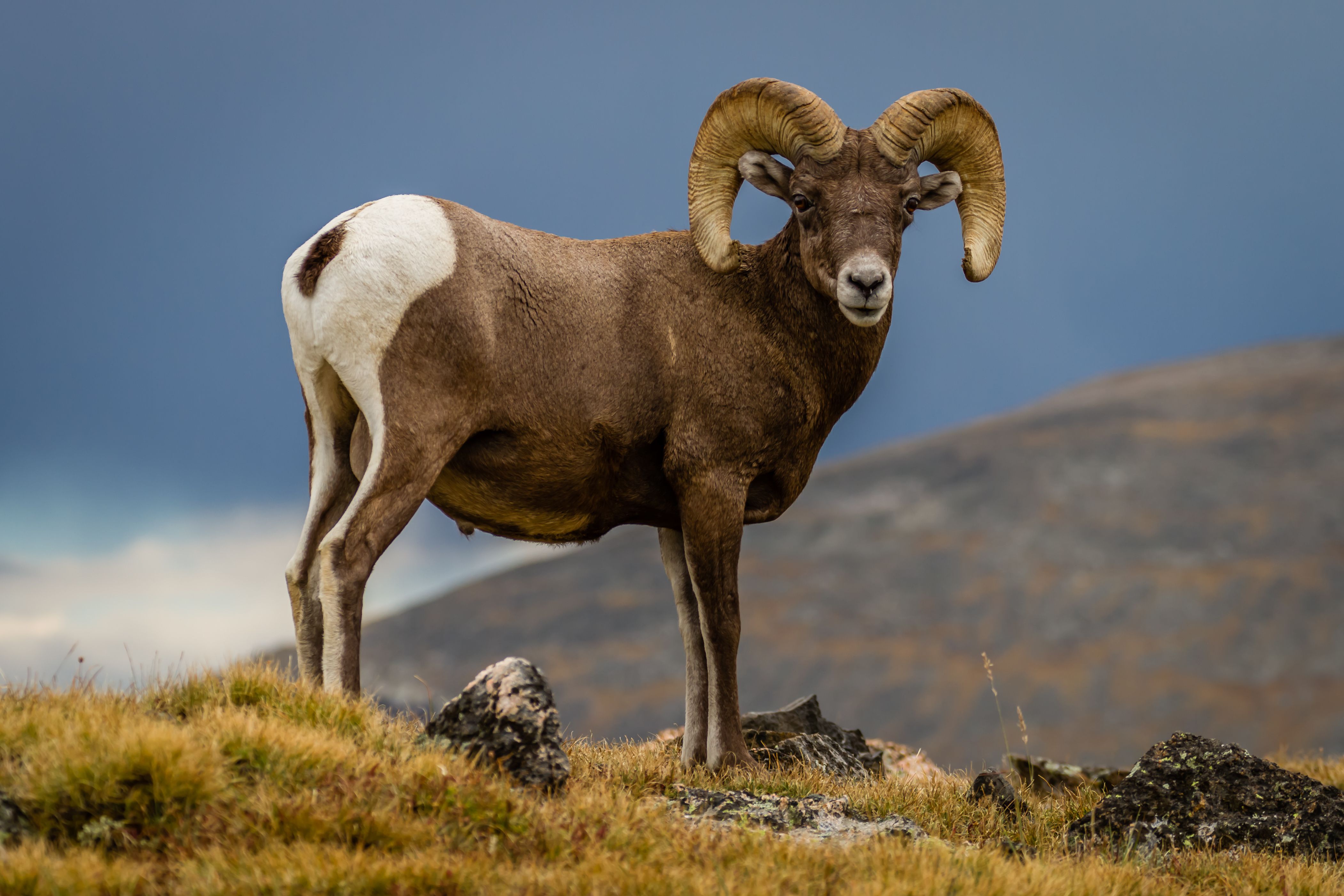
Rocky Mountain National Park (RMNP)
Overview
Dubbed nature’s adventure ground, Rocky Mountain National Park (RMNP) is where mountain dreams come to life. The park is approximately 70 miles (112 km) northwest of Denver, around an hour and forty minute drive, and sits on the rugged spine of the Continental Divide. RMNP is 415 square miles of abundant wildlife, jagged mountains, alpine lakes, hiking trails, and beautiful meadows.
RMNP was established on January 26, 1915 as the 10th national park in America and later honored as one of the 1st UNESCO World Biosphere Reserves in 1976. The park is about 7,600 ft (2,316 m) at its lowest points and a staggering 14,259 ft (4,346 m) at the top of Longs Peak, the park's tallest mountain and only fourteener (peaks that are above fourteen thousand feet in elevation).
That steep elevation gradient carves the land into distinct zones: montane (approximately 5,600 - 9,500 ft, where large meadow valleys and slopes support the widest range of life), subalpine (9,000 - 11,000 ft) where evergreen forests and mountain lakes sustain life in a chilly, demanding environment, and alpine tundra (from around 11,000 ft) where life hugs the ground to brace itself from strong winds and cold temperatures.
77 mountain peaks soar above 12,000 ft (3,658 m), with valleys carved by ancient glaciers that left behind dramatic U-shaped canyons, cirques, and moraines; features you can see at places like Moraine Park and the Alluvial Fan near Horseshoe Park. The park is also home to 147 lakes and approximately 450 miles of streams, including favorites like Bear Lake, Dream Lake, Emerald Lake, and Sprague Lake, as well as tumbling waterfalls like Alberta Falls and Ouzel Falls.
One of the most spectacular ways to experience RMNP is by driving the Trail Ridge Road, which climbs to 12,183 ft (3,713 m), making it the highest continuous paved road in North America. Dubbed a highway to the sky, the road is 48 miles and connects the east side (Estes Park) of RMNP with the west side (Grand Lake) and offers sweeping views of the Continental Divide, tundra, and distant peaks. At the top of Trail Ridge Road, near Fall River Pass, is the Alpine Visitor Center, the highest elevation visitor center in the entire USA national park system, which gives you a front-row seat to one of the most extreme ecosystems in the park.
RMNP isn’t just about scenery. The land is steeped in history, it has old mining and ranching sites and trails used by Indigenous peoples. One of the most well-known is the historic Ute Trail, which follows a route once walked by the Ute people crossing the high country.
Even as the park draws millions, 4.67 million in 2019 and around 4.3 million in 2022, it remains remarkably wild: 94.8% of the park is managed as designated wilderness, protecting it from development and preserving its raw character.
Whether you’re planning a scenic drive, a lakeside picnic, a family-friendly hike, a high-alpine adventure, or simply a quiet moment beneath the stars, Rocky Mountain National Park has something for everyone.