Vail
History & Culture
Founding & History
Vail took form after a mountaineer and a local surveyor explored the Back Bowls and envisioned a lift served ski area on forest land above the creek. The mountain opened with a base village and a small network of lifts in the early sixties and drew on the legacy of the wartime ski troops trained at nearby camps who later helped seed the state’s ski industry.
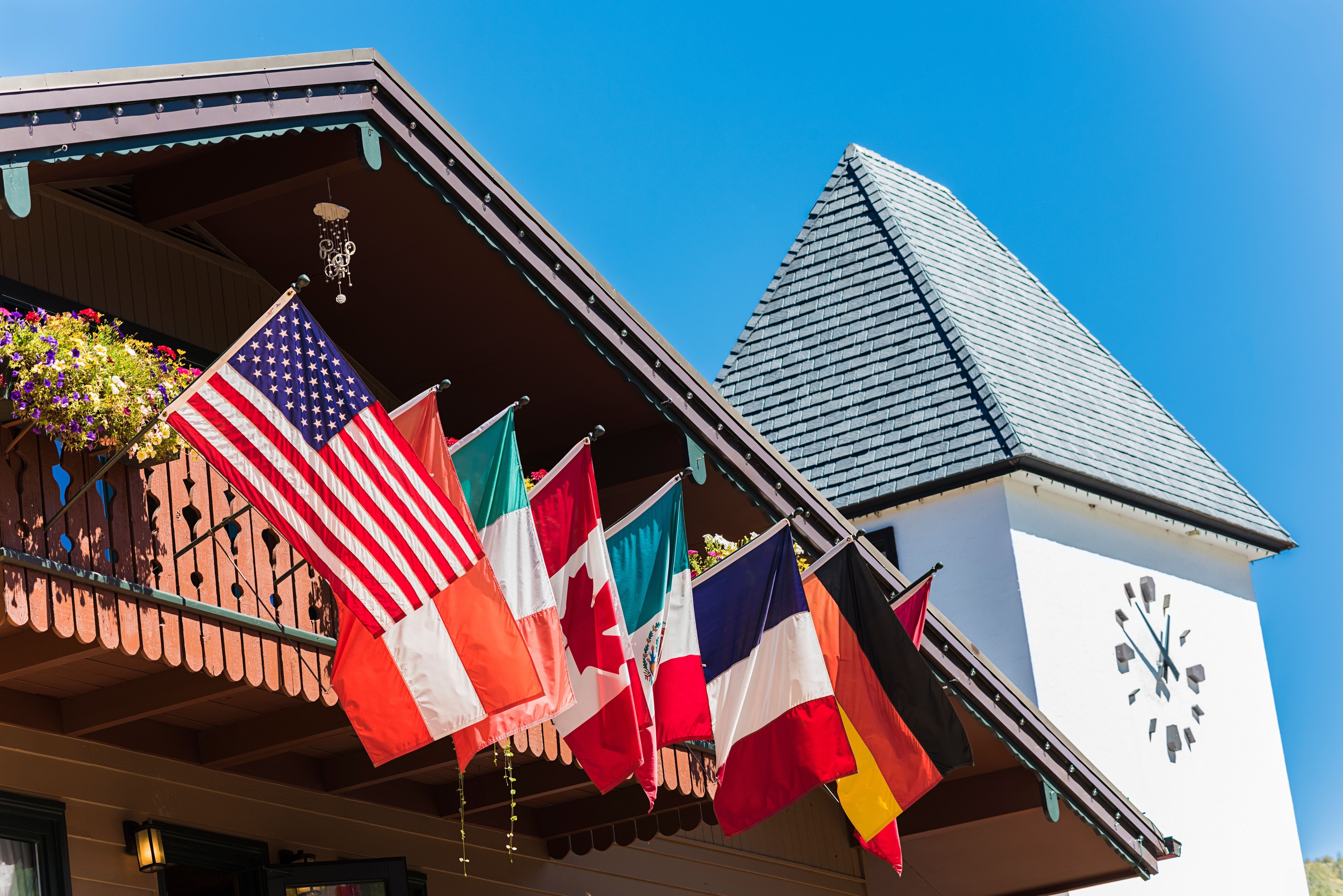
The incorporated town followed a few years later with a council manager form of government and began building a pedestrian village patterned after alpine resorts with plazas, covered bridges and creekside paths.
Over time the community added cultural anchors including a snow sports museum and a summer amphitheater that hosts orchestras and dance companies, while the gardens in Ford Park advanced research and interpretation of high elevation plants.
Today the town balances resort operations with watershed restoration on Gore Creek and invests in mobility projects that keep the village cores largely car free while maintaining access to the mountain for residents and guests.
Cultural Significance
Vail’s cultural identity is shaped by a fusion of mountain-town wilderness, upscale resort lifestyle, European alpine village architecture, and a strong outdoor-adventure ethos. The town was planned and built with resort and recreation in mind rather than mining or industrial roots, giving it a modern, intentionally designed feel.
Notable Events & Stories
- Opening of Vail Mountain (1962): The ski resort opened on December 15, 1962 with just one gondola and two chairlifts and a $5 lift ticket. This marked the birth of the town’s modern resort era.
- 10th Mountain Division Training & Legacy: The 10th Mountain Division trained at nearby Camp Hale (high in the Rockies) during World War II in alpine/ski warfare, and after the war many veterans contributed to the ski-resort industry. The imprint of this military/mountain legacy remains part of Vail’s history.
- 1989 & 1999 FIS Alpine World Ski Championships: Vail hosted the 1989 and 1999 editions of the Alpine World Ski Championships, putting the town on the global competitive skiing map.
- 1998 Arson Attacks by Earth Liberation Front: On October 19, 1998, activist arson attacks targeted lifts and buildings at the ski resort, causing major damage (~$12 million) and drawing national attention.
- Cultural Heritage Preservation Efforts: More recently, the town’s Cultural Heritage Committee, comprising local library, arts, sustainability staff, has gained recognition for preserving the town’s legacy of architecture, environment and community.
Local Heroes & Notables
- Mikaela Shiffrin:Born in Vail on March 13, 1995, Mikaela Shiffrin is one of the greatest alpine skiers of all time. She has multiple Olympic gold medals, numerous World Cup wins, and her success puts Vail on the map as a place that breeds world-class ski talent.
- Ellen Miller: A lesser-known but very meaningful figure, Ellen Miller (from Vail) is an American mountaineer, fitness coach, and community activist who achieved firsts in high-altitude climbing and has given back to the Vail community (trail hosting, literacy climbs)
Fun & Surprising Facts
-
Single-Mountain Resort: One of the Largest Single-Mountain Ski Areas in the U.S.
Vail’s ski area covers thousands of acres — more than many expect — making it one of the largest single-mountain resorts in the country.
-
Botanical Garden: The Betty Ford Alpine Gardens sits at the edge of town, and is recognized as the highest in the nation and keeps its education center open through much of the year with rotating natural history exhibits.
-
Gold Medal Waters: Gore Creek, which flows through the Vail Valley, has been designated by the Colorado Wildlife Commission as one of only ~11 “Gold Medal” fishing streams in the state — meaning high trout densities and large fish.