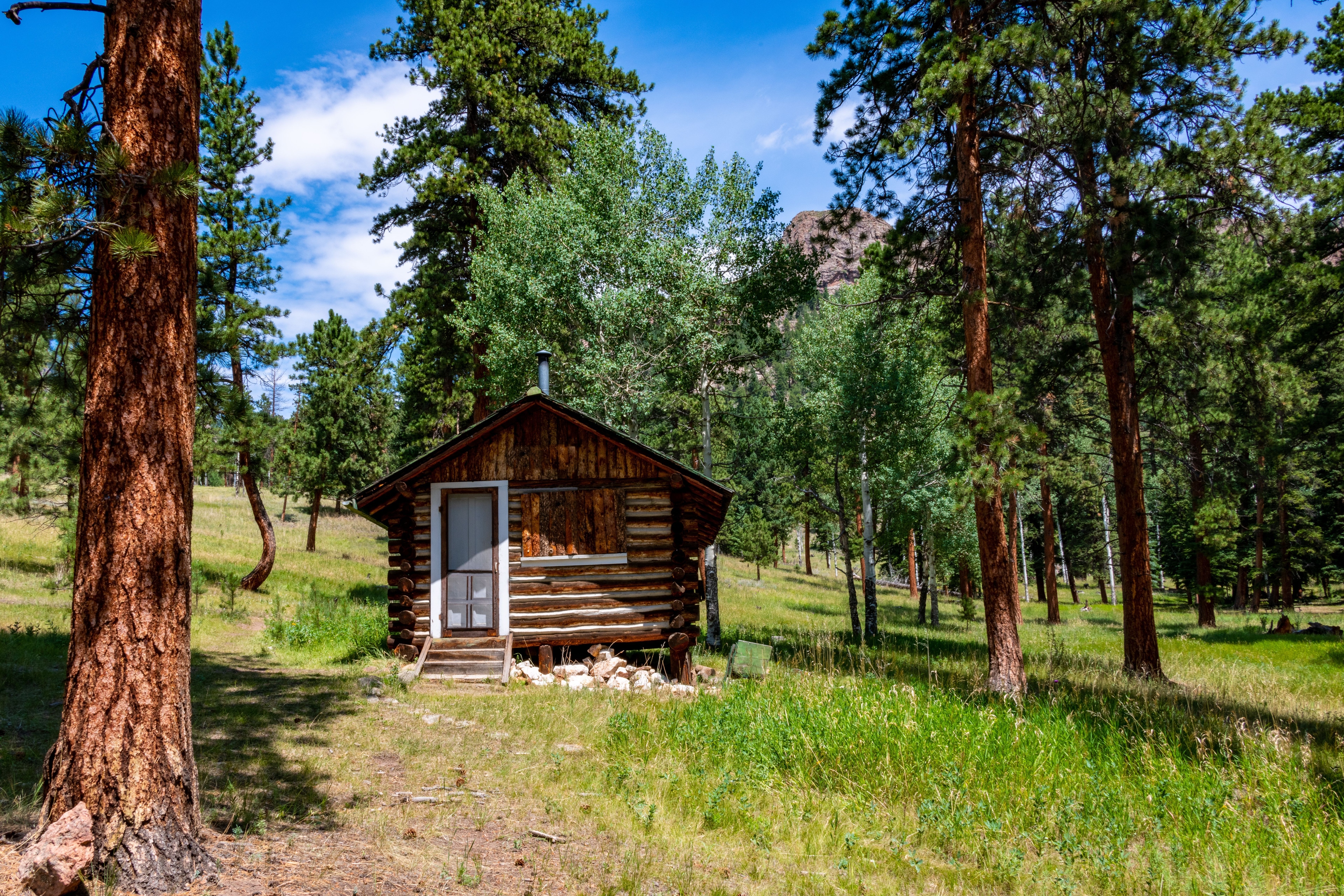
Staunton State Park
History & Culture
Park History
The 3,828 acres that make up Staunton State Park today reflect more than a century of land use and preservation. This land has supported a wide variety of human activity, including homesteading, ranching, logging, and recreation, each leaving its mark on the park’s story.
The heart of the park began with the Staunton family, who homesteaded in the early 1900s. In 1986, Frances Hornbrook Staunton, daughter of Drs. Rachel and Archibald Staunton, donated 1,720 acres to Colorado Parks and Wildlife with the vision of creating a natural wilderness-type park.
Over the years, additional parcels were added to form the park’s current footprint. These included portions of the Davis Ranch and Elk Falls property in the late 1990s, as well as the Chase property in 2006. This northern parcel was once owned by Mary Coyle Chase, a Pulitzer Prize-winning playwright and Denver native.
In 2014, the final private inholding, a vacation home and 80 acres owned by former Colorado State Senator Allen Dines, was donated to the park. This land allowed for trail improvements, hike-in tent sites, and continues to serve as a wildlife migration corridor.
Each of these additions has helped shape Staunton State Park into the diverse and scenic preserve it is today.
Cultural Significance
Long before it became a state park, the land that now makes up Staunton State Park was home to Indigenous peoples, including the Ute tribes. These communities lived in harmony with the natural environment, relying on the area’s forests, meadows, and waterways for sustenance and cultural practices.
Recognizing the original stewards of this land is a vital part of understanding its full history. Honoring the Ute and other Indigenous peoples helps preserve their enduring connection to the region and reminds us of the importance of respecting and protecting this shared natural heritage.
Notable Events & Stories
From the 1930s through the 1950s, Staunton Ranch served as the site for children’s camps, including those run by the Girl Scouts and similar groups. These camps offered outdoor education and adventure, playing a meaningful role in shaping the area's recreational legacy and connection to nature.