Mesa Verde National Park
Overview
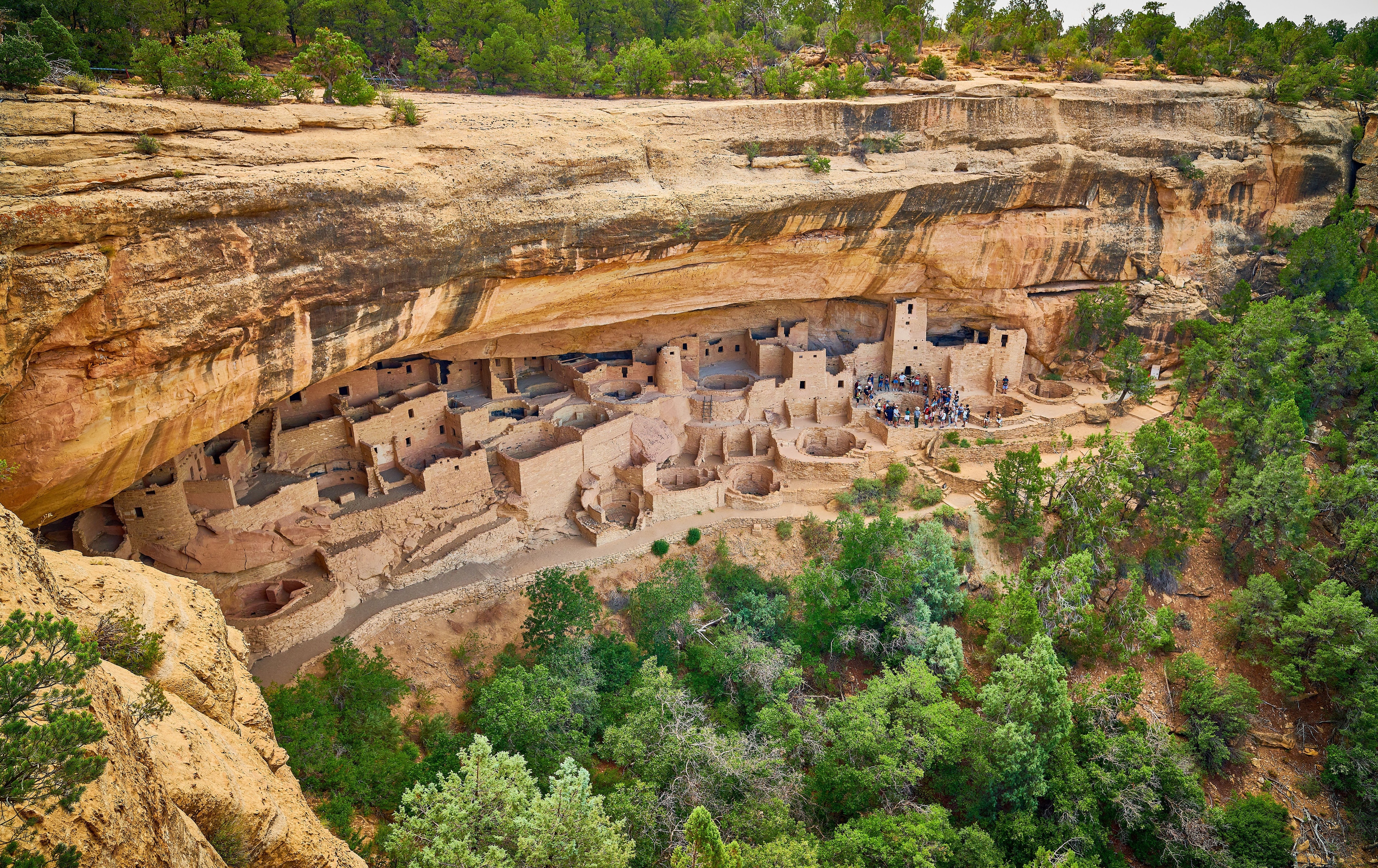
Mesa Verde National Park was established in 1906 to preserve and interpret the archaeological heritage of the Ancestral Pueblo people who inhabited the region for centuries. The park contains nearly 5,000 known archaeological sites, ranging from cliff dwellings and mesa-top pueblos to pithouses, towers, and farming structures. These sites provide a unique window into the daily lives, traditions, and innovations of the communities that flourished here between 600 and 1300 CE.
The park also showcases the dramatic natural landscape of the Colorado Plateau, where rugged canyons, mesas, and forests meet. Recognized as a UNESCO World Heritage Site, Mesa Verde offers not only cultural insights but also rich natural experiences, including diverse ecosystems, scenic overlooks, and exceptional night skies protected under its designation as an International Dark Sky Park.
The terrain of Mesa Verde is characterized by steep-walled canyons and high mesas, with elevations from about 6,000 to more than 8,500 feet. This varied topography supports a wide range of plant and animal life, from piñon-juniper woodlands to montane forests.
In addition to its cultural treasures, the park offers visitors hiking trails, scenic drives, and guided tours that reveal both the natural and cultural significance of the region. Its designation as an International Dark Sky Park underscores its commitment to protecting natural nightscapes and providing extraordinary stargazing opportunities.