Mesa Verde National Park
History & Culture
Park History
Mesa Verde became a national park on June 29, 1906, when President Theodore Roosevelt signed legislation creating the first U.S. national park specifically established to protect cultural works. The same month, the Antiquities Act became law, criminalizing the disturbance of archaeological resources on federal lands and shaping the park’s early protection mandate.
Public and scientific interest accelerated through the late 19th and early 20th centuries: William Henry Jackson’s 1874 photographs drew national attention; Richard Wetherill (with Charles Mason and Ute guide Acowitz) famously entered Cliff Palace, Spruce Tree House, and Square Tower House in December 1888; Baron Gustaf Nordenskiöld undertook methodical excavations in 1891; and, by 1900, preservation advocates formed the Colorado Cliff Dwellings Association under Virginia McClurg and Lucy Peabody.
In the New Deal era, the Civilian Conservation Corps supported road, trail, museum, and archaeological work across the park. Mid-century, the Wetherill Mesa Archaeological Project (1958–1965) became one of the largest archaeological studies in U.S. history. Congress later set aside 8,500 acres as the Mesa Verde Wilderness (1976). UNESCO designated Mesa Verde a World Heritage Site in 1978 in recognition of its outstanding cultural value.
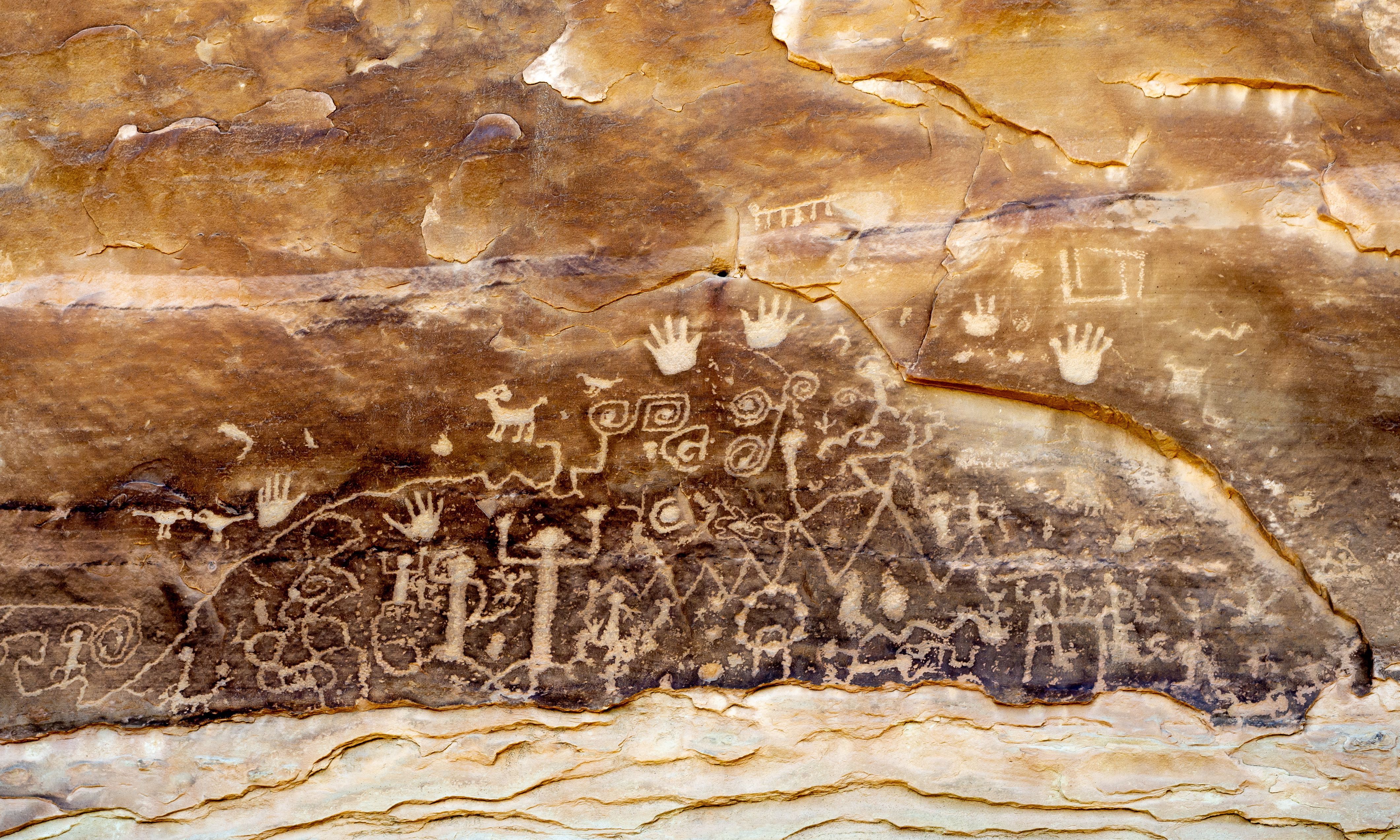
Large wildfires between 1996 and 2003 burned over half the park; post-fire surveys (BAER) documented hundreds of previously unknown sites, including farming terraces and rock art. In 2006, after years of consultation under the Native American Graves Protection and Repatriation Act (NAGPRA), the park and associated tribes reburied all ancestral human remains and associated funerary objects found within park boundaries. The Mesa Verde Visitor & Research Center opened in 2013 with a state-of-the-art repository for archives and collections.
Today, preservation remains an active, interdisciplinary practice; the Archeological Site Conservation Program (established in 1994) monitors and maintains standing architecture in roughly 600 cliff dwellings, while stabilization engineers address structural needs at marquee sites like Cliff Palace through documentation, mortar conservation, backfilling, and other minimally invasive treatments.
Cultural Significance
For more than seven centuries, Ancestral Pueblo people built and sustained vibrant mesa-top villages and cliff dwellings at Mesa Verde, taking advantage of alcove shelter and reliable seep springs to support family life, agriculture, and ceremony. The park expressly recognizes Mesa Verde as a sacred homeland and preserves the living cultural heritage of Pueblo and other affiliated communities; interpretive and research work centers the voices and histories of these peoples and their descendants.
Curation and public history are integral to that stewardship. The museum program cares for approximately 2.5 million objects, archives, and specimens, housed primarily in the LEED-Platinum Visitor & Research Center (2012), and provides controlled access for research and exhibits at the Visitor & Research Center and Chapin Mesa Museum.
Notable Events & Stories
- 1765: Don Juan Maria de Rivera’s expedition records ancient ruins in the region.
- 1859: Geologist John Newberry climbs the mesa; the name “Mesa Verde” appears in official use.
- 1874: Photographer William Henry Jackson’s images publicize cliff dwellings.
- 1888-1890: Richard Wetherill and family explore and document Cliff Palace, Spruce Tree House, and many other dwellings; public appeals begin for a national park.
- 1891: Nordenskiöld conducts scientific excavations and publishes a foundational study.
- 1900-1906: Advocacy (Colorado Cliff Dwellings Association), the Antiquities Act (June 8, 1906), and Park Establishment (June 29, 1906) formalize protection.
- 1930s-40s: CCC builds infrastructure, assists excavations, and supports museum work.
- 1958-1965: Wetherill Mesa Archaeological Project, one of the largest U.S. archaeological undertakings.
- 1976 & 1978: Wilderness designation; UNESCO World Heritage inscription.
- 1996-2003: Major wildfires; BAER surveys reveal hundreds of previously unknown sites.
- 2006: NAGPRA reburial in consultation with associated tribes.
- 2013: Visitor & Research Center opens with modern curation facilities.