Mesa Verde National Park
Geology & Ecology
Geological Features
Mesa Verde is a cuesta rather than a flat mesa, with a subtle southward tilt that lets streams carve canyons along the edges and expose a stack of sandstone and shale laid down along an ancient shoreline.
Alcoves formed where water moved through porous stone and met tighter layers, then froze and thawed inside fractures, slowly prying rock apart and creating grand recesses without the underground chambers that define true caves. The same moisture, minerals, and microbes paint dark varnish on cliff faces and etch polygon-shaped weathering patterns called turtle backs. Wind-blown silt caps the high country with soils that hold moisture for dry-farmed fields, while ripple marks in alcoves preserve the memory of waves and currents.
Along overlooks and road cuts you can spot iron-rich concretions, slumps and slides, and small faults that record a landscape still adjusting to gravity and water. This geology provided both the building stone for dwellings and the alcove shelters that protected plastered walls, mural fragments, and painted surfaces for generations
Ecology & Wildlife
Plant communities shift quickly with slope and shade; Mesa tops and warm rims carry piñon-juniper woodland with yucca and prickly pear, while cooler north slopes and canyon shoulders hold Gambel oak with pockets of Douglas-fir and scattered aspen. Shrub-steppe spreads across dry benches and burn scars, and the river corridor and spring-fed seeps add cottonwoods, willows, mosses, and ferns that cool air and water.
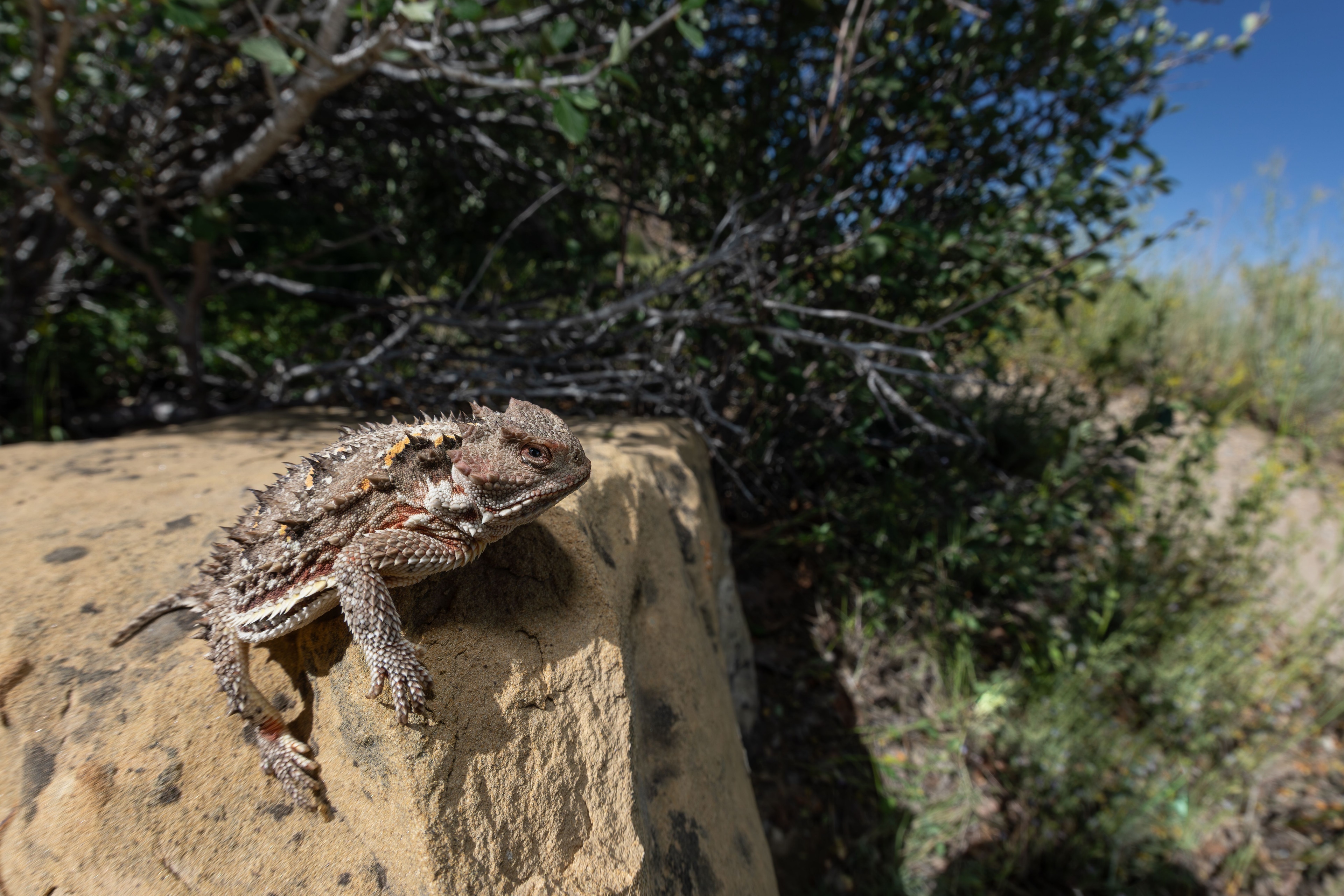
This mosaic supports mule deer, elk, coyotes, gray foxes, black bears, mountain lions, porcupines, and Abert’s squirrels, along with wild turkeys in openings and meadows. Bird life is especially rich: pinyon jays cache nut crops and help renew woodland, mixed flocks of titmice and chickadees work the canopy, golden eagles soar along cliff edges, and canyon forests still shelter the rare Mexican spotted owl where mature trees and deep shade persist. Managers track fuels and invasive plants, restore native vegetation, and monitor sensitive species as warming trends and large wildfires reshape woodlands and understory across the high country.