Frisco
History & Culture
Founding & History
Silver drew prospectors to Frisco in the 1870s, and miner Henry Recen founded the town in 1873.
A railroad scout, Captain Henry Learned, nailed up a “Frisco City” sign in 1875 to attract the St. Louis-San Francisco Railway, and the name stuck even though that line never arrived. Frisco was officially chartered in 1879 during the Colorado Silver Boom and incorporated on December 3, 1880. By 1882 roughly 250 residents, two railroads, busy businesses, hotels, and saloons filled the streets, and elegant hotels went up to serve miners riding the Denver and Rio Grande lines. The mining boom lasted until 1918.
The Great Depression hit hard, and Frisco’s permanent population fell to just 18 people by 1930, yet the little mining town survived when many others did not.
Local rancher, Bill Thomas offered free lots to Denver families if they built cabins within a year, and the population bumped up to 50 by 1946. That same year Arapahoe Basin Ski Area opened, propelling the town to its new chapter.
In 1963, Lake Dillon construction began. Two years later, Breckenridge and Vail began to welcome skiers, bringing an entire new population up the mountains. In 1972, the Eisenhower Tunnel was completed, and cut travel time down significantly. That same year, Copper Mountain and Keystone debuted.
Skiing sparked steady growth, and about three thousand full-time residents now call Frisco home.
Today, the town keeps honoring its layered story at the Frisco Historic Park and Museum, where restored buildings and photo archives trace the journey from Ute homeland to mining camp to mountain-town basecamp.
Cultural Significance
- The Ute People were the original inhabitants of this region. Their connection to Frisco is rooted in centuries of seasonal migration, hunting, and spiritual connection to the land, long before European-American settlers arrived.
- Today, Frisco holds cultural significance as a historic mountain town that blends its 19th-century mining roots with a modern, outdoors-oriented lifestyle.
- It served as a hub for prospectors in the Tenmile Range during the mining boom that lasted throughout the late 1800s and into the early 1900s.
Notable Events & Stories
-
The Arrival (and Decline) of the Railroad
In the late 1800s, the Denver & Rio Grande Railroad and the Colorado & Southern Railroad reached Frisco, helping the town thrive. However, when silver prices collapsed in 1893 (after the repeal of the Sherman Silver Purchase Act), the town’s population dwindled to just 18 residents by 1930, nearly becoming a ghost town. -
The Town That Refused to Sink (Literally)
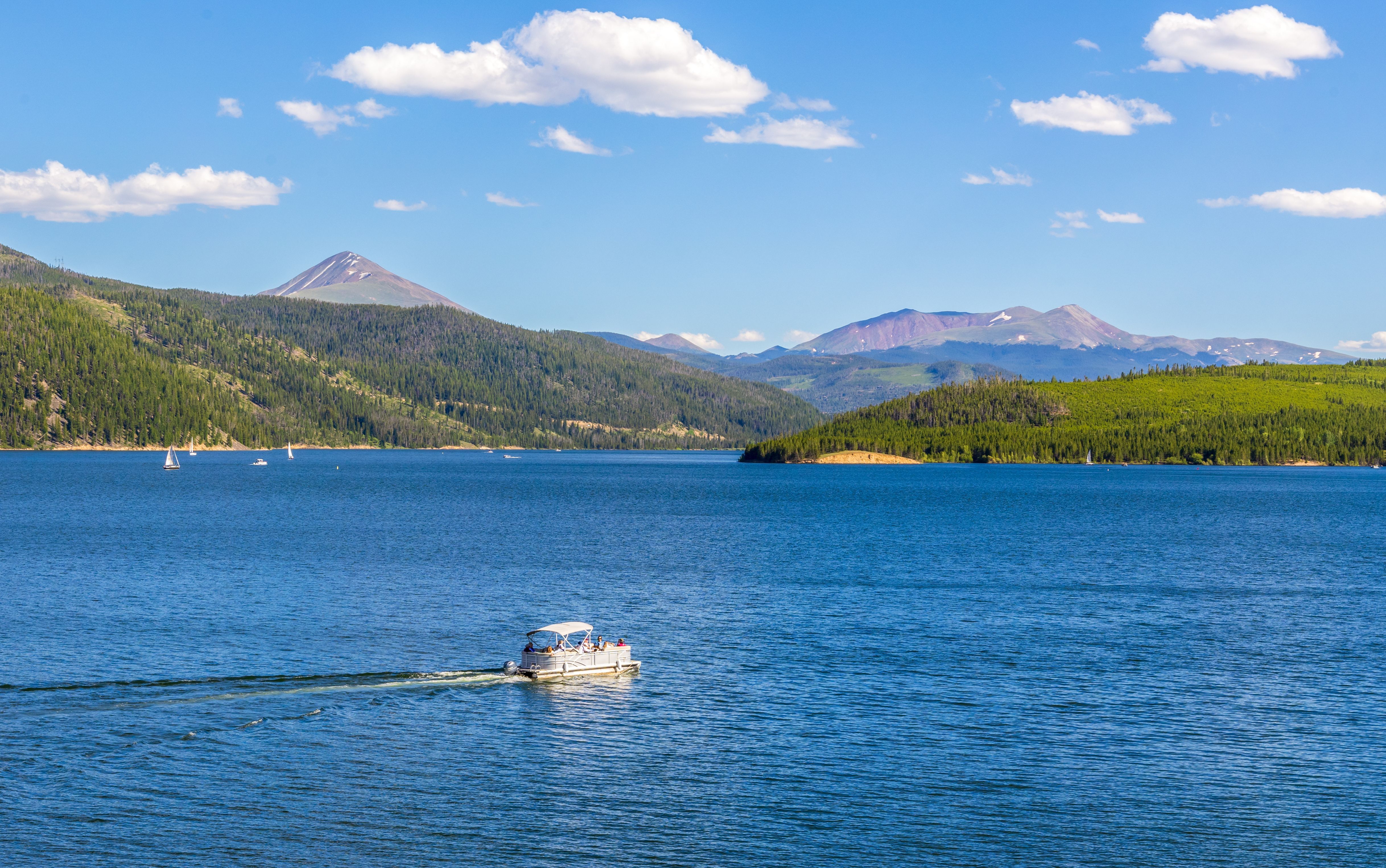
In the early 1960s, Frisco almost vanished again — this time beneath water. When the Dillon Reservoir was constructed to supply Denver’s water, nearby Dillon was relocated. Frisco avoided the same fate by being just slightly outside the reservoir’s flood zone. Today, the Frisco Bay Marina is a major draw for recreation on the reservoir.
-
The Legend of the Frisco Witch
A local ghost story tells of the “Frisco Witch”, said to haunt old cabins near the edge of town. While likely folklore, tales like this are part of the historic and slightly spooky charm of Frisco’s preserved 1800s buildings, some of which are rumored to be haunted.
Local Heroes & Notables
- Jon Kreamelmeyer
- A celebrated skier and coach, born in 1947, who has been honored as a local hero in Frisco for his contributions to the skiing community.
- In June 2014, the Summit Daily featured him as one of “Frisco’s Finest”, highlighting his impact on winter sports and youth development.
- Michelle Black
- A novelist originally from Frisco, known for her works in historical mystery and fantasy genres.
- She remains one of the town’s few residents to gain national literary recognition.
Fun & Surprising Facts
- Long before Frisco had a name, Ute families crossed this valley and mountain men trapped beaver between 1810 and the 1840s.
- Its name comes from the St. Louis–San Francisco Railway—a hopeful nod intended to attract the railroad to town.
- Frisco Historic Park and Museum features over a dozen original structures—including a schoolhouse (built in 1882), log chapel, and even the town's old jail—preserved to educate and entertain visitors.
- Frisco hosted the first official Colorado state BBQ Challenge beginning in 1993, raising over $500,000 for nonprofits over the years—though the event moved to Copper Mountain in 2023.