Del Norte
Overview
Del Norte sits at 7,884 feet on Highway 160 and counts around 1,384 residents, with 3,778 acres of public land wrapped around its edges. The town takes its name from the Rio Grande del Norte and began as a stage stop and rowdy supply hub for miners. Prospectors struck gold and silver near Summitville in 1870, and miners and manufacturers organized Del Norte as an official town in 1874. Mining slowed after the Sherman Act was repealed in 1893.
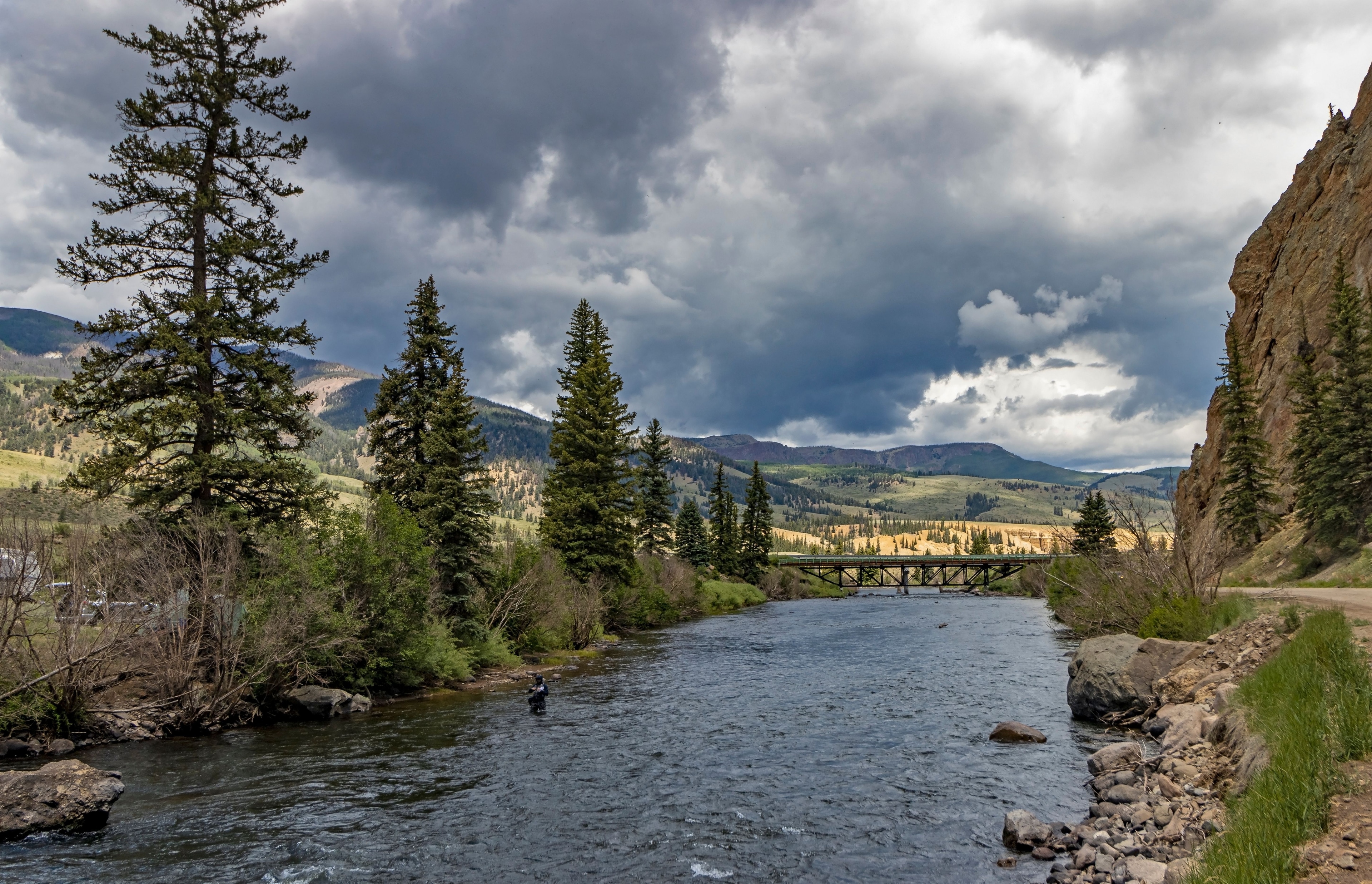
The Rio Grande between Del Norte and South Fork forms Colorado’s longest stretch of Gold Medal water, renowned for trophy brown trout, while brown and rainbow trout thrive from the Rio Grande Reservoir downstream to town. Miles of Jeep and ATV routes head east into the Upper San Luis Valley and west onto South Fork trails in the Rio Grande National Forest. Winter brings more than 250 miles of groomed snowmobile routes, as well as thousands of acres for snowshoeing and cross-country skiing.
Bird watchers visit Monte Vista Wildlife Refuge and Alamosa Wildlife Refuge, where 14,804 acres of wetlands shelter mallards, pintails, teal, Canada geese, American avocets, killdeer, white-faced ibis, egrets, and herons. From late February to early March and again in mid-October, about 23,000 to 27,000 Sandhill Cranes pause here, and the March Monte Vista Crane Festival offers guided tours and expert talks.
Outdoor recreation is vast. Lookout Mountain Park provides eight miles of natural-surface trail that climbs from 7,884 to 8,475 feet. The Pronghorn Trails add 9.5 miles of single-track open May through December, Stone Quarry east of town offers at least 9.5 miles of slickrock and canyon riding, and Limekiln delivers more than 100 miles of purpose-built single-track. Bishop Rock features a 40-acre slick-rock play area, Penitente Canyon supplies over 20 miles of trail and hosts the 12 Hours of Penitence mountain-bike race, Middle Frisco Trail gains nearly 3,000 feet in 6.3 miles to Frisco Lake below 13,203-foot Bennett Peak, Elephant Rocks spans five miles of Fish Canyon tuff, and Natural Arch waits north of town along forest roads.
Day trips include Great Sand Dunes National Park, where dunes rise to 750 feet and the park holds International Dark Sky status. Wheeler Geologic Area protects 640 acres of volcanic formations that you reach by a seven-mile hike or a fourteen-mile four-wheel-drive road. Summitville shows the remains of a mine that produced more than 7.5 million dollars in precious metals. The Silver Thread Scenic Byway links Creede, Lake City, and South Fork along river canyons and over Spring Creek Pass. Wolf Creek Ski Area averages 400 inches of snow across 750 acres, and the Rio Grande Club and Resort in South Fork offers an eighteen-hole course with nine riverside holes and nine alpine holes.
Creede Repertory Theatre stages seven to ten plays from May through September. Rhythms on the Rio each August raises funds for valley children. Monte Vista’s Ski-Hi Stampede, first held in 1919, is Colorado’s oldest professional rodeo. Rio Grande County Museum on Oak Street opens Tuesday through Friday from 10:00 to 4:00 and Saturday from 10:00 to 3:00 and shares regional history. The local Old Spanish Trail Association chapter helps travelers trace historic trade routes. Narrow Ridge Outdoors, founded in 2021, guides rafting, climbing, and hiking, and Zapata Ranch near the Great Sand Dunes operates a 103,000-acre working bison, cattle, and horse ranch.
Del Norte is thirty-one miles west of Alamosa, nineteen miles west of Monte Vista, and 118 miles east of Durango. It lies one hundred miles north of the Colorado-New Mexico border via Highways 84 and 160. Commercial air travel is handled by San Luis Valley Regional Airport, and all but one route into the valley crosses a high mountain pass.