How To Drive In The Snow
By WayFy Staff
Updated on January 09, 2026
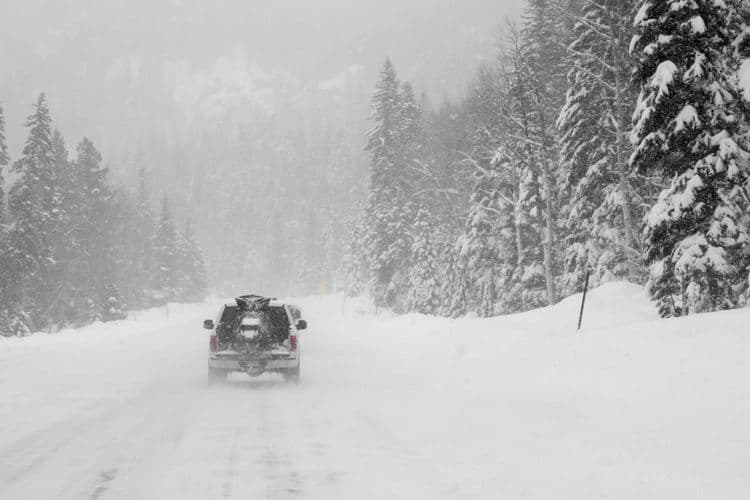
Winter in the Colorado mountains brings some excellent outdoor activities like skiing, ice skating and snowshoeing, all on the beautiful snow-covered landscapes. It also brings treacherous driving conditions, especially through the mountain passes.
What’s the best way to prepare for driving in the snow—especially if you’re coming from out of state? Let’s walk through some of the most important things to know before you hit Colorado’s winter roads.
Download WayFy
Create the perfect Colorado itinerary with our simple, intuitive trip builder that guides you every step of the way.
Make Sure Your Vehicle Is Up To Snuff
Being ready to drive through winter conditions starts with your vehicle. If you are renting something for your Colorado trip, make sure you are choosing an AWD or 4WD vehicle. A 2WD vehicle, even with good tires, can be very limited on steep, icy mountain passes—especially when traction laws are in effect.
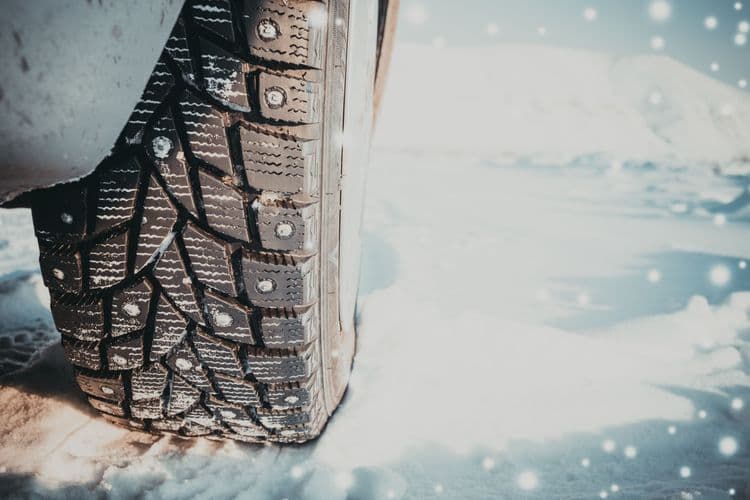
You also need to make sure you have the proper tires. Good winter tires or high-quality all-weather / all-season tires rated for snow make a huge difference on snow and ice.
If you don’t have studded tires, you will need to make sure your vehicle is carrying chains or another traction device. Colorado rental agencies are required to provide these, but policies vary. Verify with your rental company before you drive away so you’re not caught unprepared.
Also make sure:
- Your wipers and defrosters work well
- You have winter-grade windshield washer fluid
- Your brakes and battery are in good condition
As of the fall of 2025, the Colorado Department of Transportation has implemented new traction laws for all passenger vehicles while driving any state highway. You can see those new regulations here. If you don’t abide by these when they are enacted, be prepared for a hefty fine if you run into a situation and need to be rescued.
Pack Your Winter Roadside Emergency Kit
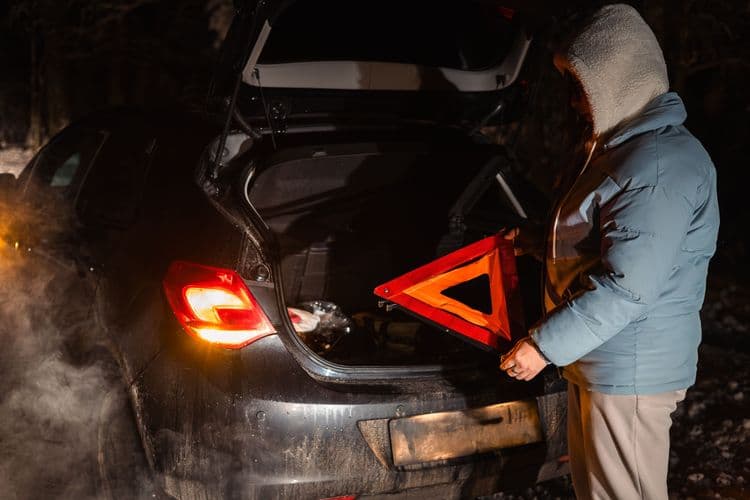
Pre-packed winter emergency kits are relatively affordable and can be the difference between a minor inconvenience and a serious situation if you get stuck or stranded on a highway in winter.
Generally, these kits will include 50+ important items that will come in handy during emergency roadside situations, but here are 10 essentials you should be sure to have with you, especially if you pack your own kit.
- Jumper cables or a portable jump starter
- Windshield ice scraper/brush
- First Aid Kit
- Thermal blanket/Sleeping bag
- Flashlight + extra batteries
- Compact shovel
- Emergency road flares or reflective triangles
- Winter-grade windshield washer fluid
- Multi-tool
- Extra phone charging cable and, ideally, a power bank
Beyond this kit, make sure you pack:
- Snacks and water (don’t fill bottles to the top so they can freeze without bursting)
- Proper winter gear: warm coat, hat, gloves, and extra socks
With warm clothing, enough water, and a basic kit like the one above, you’ll be much better prepared to handle most roadside emergencies.
Plan Ahead Before Hitting the Road
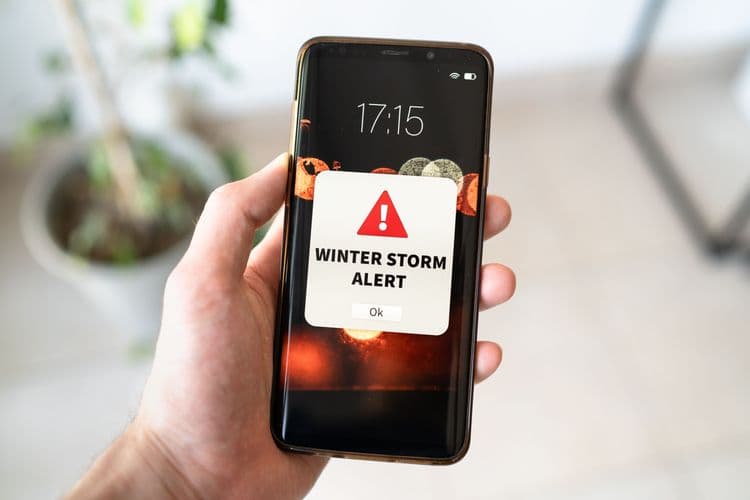
Before you head out on any winter drive, check the weather and road conditions along your entire route. Although it may be sunny and clear at your starting point, the mountain pass you plan to drive through may very well be experiencing white-out conditions.
You can get the latest updates on Colorado road conditions by checking out Co.Trip, Colorado’s official road information site. Winter closures are common and can happen without much, due to severe weather conditions or car accidents.
If you do need to drive, even during inclement weather conditions, it’s advised to plan around the peak of the storm. Try to get through your drive before the storm hits or wait until plows can clear and treat the roads before you begin your drive.
Driving In Snowstorms
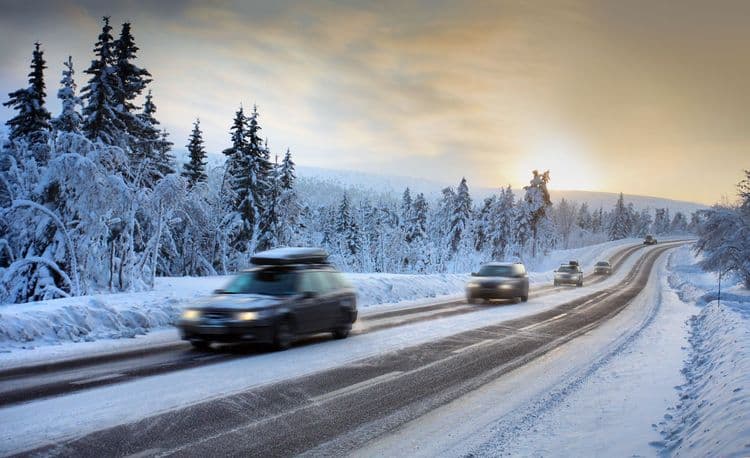
Driving tactics understandably change when you’re driving through snowy or icy conditions, especially on mountain passes. If you find yourself driving during poor conditions, use these tips to reduce your risk of crashing or sliding off the road:
- Slow down more than you think. Speed limits are for ideal conditions; you can get cited for “too fast for conditions” even below the posted limit.
- Increase following distance (at least 4–8 seconds) since stopping distances on ice are huge.
- Gentle inputs: accelerate, brake, and steer smoothly to avoid losing traction.
- If you start to slide, ease off the brakes, look where you want to go, and steer gently in that direction. If possible, shift into a lower gear so your engine will slow the car for you.
- On steep passes, shift to lower gear and use engine braking instead of riding the brakes.
- Watch for black ice in shaded areas, on bridges, and at the top/bottom of passes.
- If you’re driving significantly slower than surrounding traffic, stay in the right lane and turn on your hazard lights to alert drivers behind you to your slower speed.
The best advice is still to avoid driving during a snowstorm if you don’t have much winter driving experience. But if you must drive, give yourself extra time, keep your speed down, and prioritize smooth, calm driving.
If You Become Stuck or Stranded
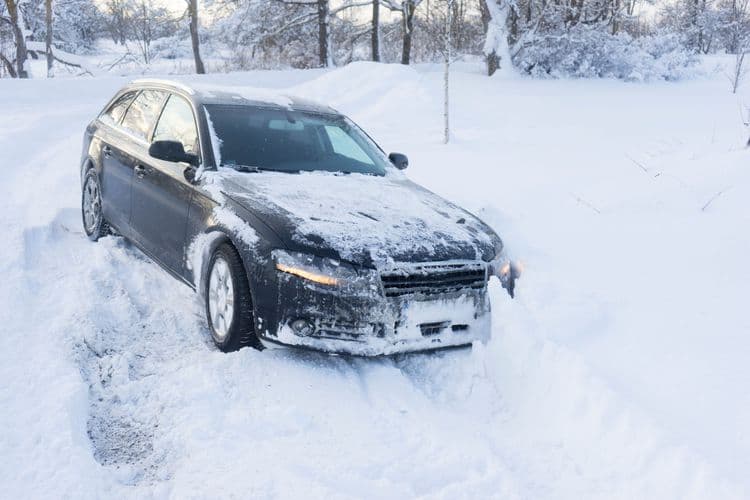
No matter how much you prepare, or how safely you drive, sometimes you still get stuck. If this happens, it’s imperative that you stay in your vehicle, unless you’re absolutely sure there’s a safe location very close.
Staying in your car is important because:
- It keeps you safer from oncoming vehicles
- It protects you from the elements, where hypothermia can happen within minutes
- It’s easier to spot a vehicle than a person, especially during a snowstorm
If you are stranded, follow these tips to get to safety quickly:
- If you have cell service, call for help immediately, don’t wait for your situation to worsen
- Set out reflectors or flares (if it’s safe to do so) to help alert rescuers of your location and situation
- Put on all extra layers you have to retain body heat. Use blankets or a sleeping bag if you packed them.
- Run the engine in short intervals to warm the cabin and conserve fuel. Each time, make sure the exhaust pipe is completely clear of snow, and crack a window slightly to prevent carbon monoxide buildup.
Download WayFy
Create the perfect Colorado itinerary with our simple, intuitive trip builder that guides you every step of the way.
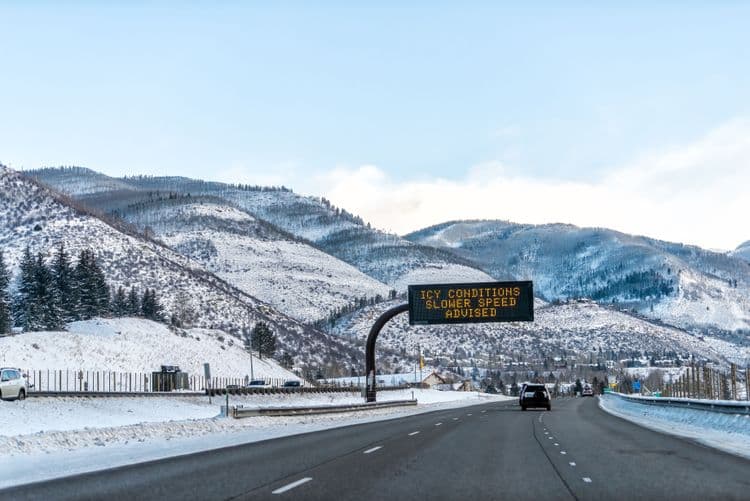
With a bit of planning, the right gear, and a realistic approach to Colorado’s winter conditions, you can enjoy the mountains safely—even when the snow starts flying.