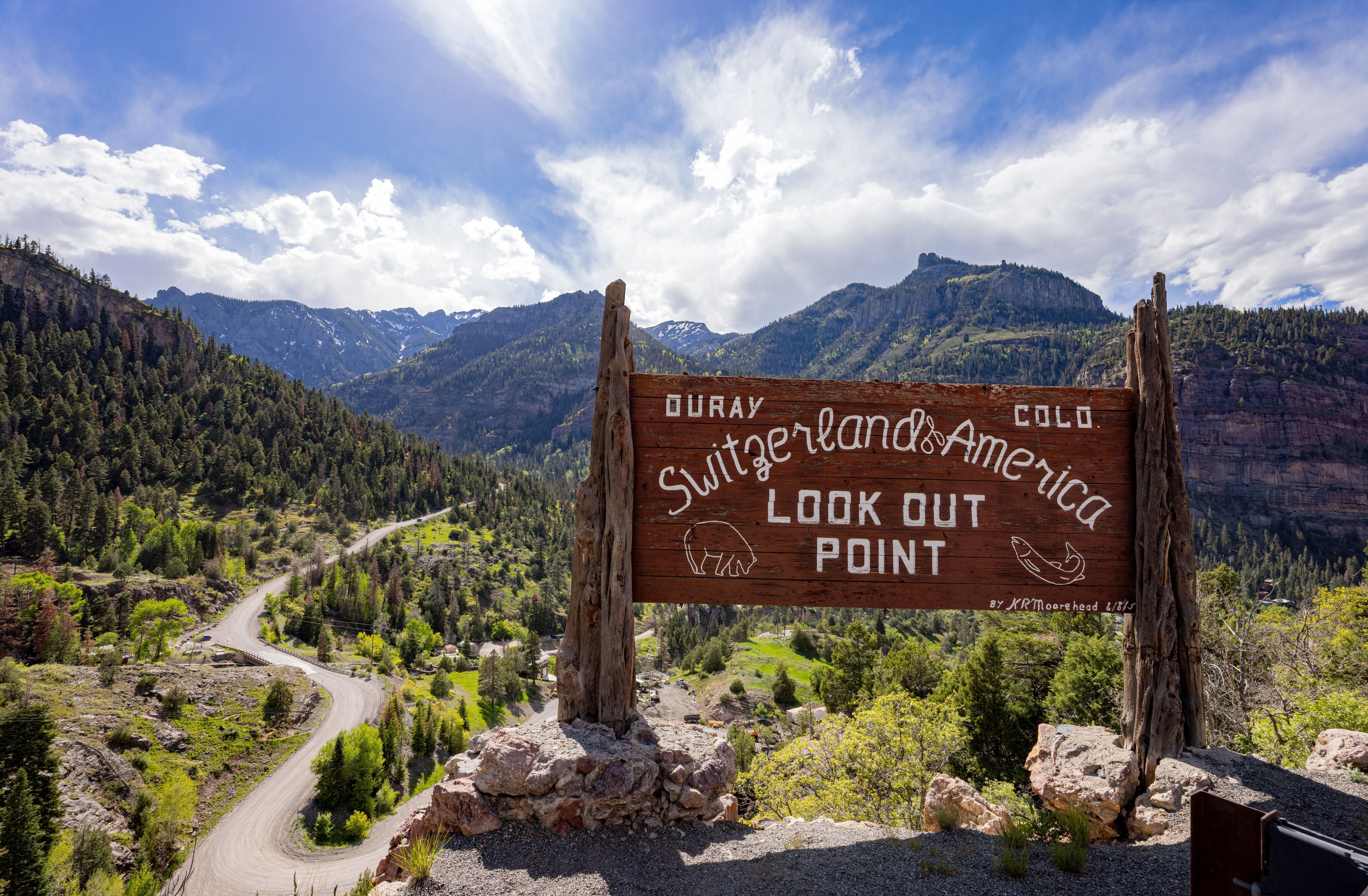
Ouray
History & Culture
Founding & History
Founded amid the Colorado Silver Boom in 1876, Ouray was named for the Ute leader Chief Ouray, known for his diplomacy. It quickly became a mining hub with over 30 active mines by the late 1870s.
Incorporated in 1884, it drew railroad investment with the arrival of the Denver & Rio Grande Railway in 1887, notably boosting accessibility and growth
Cultural Significance
Ouray’s historic downtown is a National Historic District, filled with late 19th-century Victorian homes and Italianate-style commercial buildings from its silver and gold mining boom.
Beaumont Hotel (1886-87): One of the most luxurious hotels of its era, featuring some of the earliest uses of electricity and steam heat in the U.S., now fully restored.
Wright Opera House (1888): Originally built for plays and gatherings, now restored for concerts, films, and arts events.
Ouray Ice Festival: A world-famous January event drawing climbers from around the globe to the frozen waterfalls in the Ouray Ice Park.
Year-round arts & heritage: The town celebrates its mining history through festivals, art walks, and live performances.
Notable Events & Stories
Ouray’s dramatic geography has inspired storytellers for decades from its homesteader mining boom to the globally popular Ice Festival. It gained reputational fame for its Jeep tours along the scenic Alpine Loop and Million Dollar Highway
Local Heroes & Notables
Chief Ouray: the town’s namesake - a revered Ute tribal leader who negotiated peace between his people and the U.S. government.
Otto Mears: known as the "Pathfinder of the San Juans," engineered roads like the Million Dollar Highway, transforming access across the rugged region.
Fun & Surprising Facts
Ouray hosts the longest-running hydroelectric plant in North America, established in 1885, still operating today.
Once dubbed the “Jeep Capital of America,” the town attracts off-road enthusiasts globally.