Manitou Springs
History & Culture
Founding & History
Long before trains, hotels, or boutiques, Native peoples gathered at the effervescent mineral springs at the base of Pikes Peak, calling the bubbles the breath of the Great Spirit and sharing the healing waters in peace.
Western explorers followed: Dr. Edwin James of the 1820 Long Expedition recorded the “boiling” springs, and adventurer George Frederick Ruxton praised their benefits in 1846. In 1872, General William J. Palmer and Dr. William Bell founded Manitou Springs as a resort and health destination, attracting tuberculosis patients who were looking for thin mountain air and sparkling water.
A railroad spur from Colorado Springs arrived in 1881, and by the 1890s the town boasted 7 grand hotels (Cliff House, Barker House, and Grandview among them) plus a bustling bathhouse where visitors, including P. T. Barnum, Thomas Edison, and Lillie Langtry, could plunge into mineral pools after touring the Cog Railway, Rainbow Falls, Garden of the Gods, or Cave of the Winds.
Prosperity inspired mining magnate Jerome Wheeler to build a three-story bottling plant for “Manitou Table Water” and to donate the town clock crowned by the goddess Hebe. The rise of automobile travel changed lodging tastes, and new autocourt motels, the Mt. Manitou Incline, Crystal Park Auto Tour, Cliff Dwellings, Hiawatha Gardens dance pavilion, and celebrated Craftwood Inn became popular for travelers. After decades of decline, a 1970s renaissance created a National Historic District, revived neglected buildings, nurtured an art colony, and in 1987 launched the Mineral Springs Foundation to restore the now-famous springs.
Manitou marked its 150th anniversary in 2022, and the springs, history, and lively spirit that first drew travelers still flow through every street.
Cultural Significance
Manitou Springs holds deep cultural, spiritual, and historical significance—far beyond its quirky surface.
- The word "Manitou" comes from an Algonquian term meaning “spirit”—the town was named for the spiritual energy believed to inhabit the mineral springs.
- Indigenous tribes such as the Ute, Cheyenne, and Arapaho considered the area sacred healing ground. The bubbling, effervescent springs were seen as gifts from the Great Spirit with physical and spiritual healing powers.
- Several tribes would gather peacefully here—setting aside differences to honor the land’s sacredness.
- The town is a designated Historic District, with well-preserved Victorian buildings, old mineral spring pavilions, and even a castle (Miramont Castle).
- Since the 1960s, it's been a haven for countercultural creatives and remains a bohemian enclave known for open-mindedness and eccentricity.
- Set at the base of Pikes Peak and next to the Garden of the Gods, Manitou Springs remains culturally significant as a gateway between the spiritual and the natural world.
Notable Events & Stories
- Emma Crawford: A young woman who moved to Manitou Springs in the 1800s hoping the mineral springs would cure her tuberculosis, Emma Crawford requested to be buried atop Red Mountain after her death. Years later, heavy rains washed her coffin down the mountain, spurring rumors, legends, and one of the town’s most beloved annual traditions. The Emma Crawford Coffin Races, where costumed teams race wheeled coffins down Manitou Avenue.
- Miramont Castle: Built in 1895 by a French Catholic priest, Miramont Castle is now a museum—and widely believed to be haunted. Guests and staff have reported phantom footsteps, cold spots, and ghostly apparitions in Victorian garb. The castle is featured on several ghost tours and often hosts Halloween events like tea readings and paranormal nights.
Local Heroes & Notables
-
Alice Bemis Taylor: Philanthropist and Arts Advocate
A major cultural figure in the Pikes Peak region, Taylor funded many educational and cultural institutions. Her support helped establish nearby treasures like the Fine Arts Center in Colorado Springs, which still features regional artists and often includes creatives from Manitou. She had a passion for preserving local heritage and folk art, helping shape the area's artistic soul.
-
Pauline MacMillan – Mental Health Pioneer
In the early 1900s, MacMillan was a nurse and educator who helped pioneer rest therapy and compassionate care for tuberculosis patients in Manitou.
She lobbied for patient-centered healthcare and helped shape the town’s reputation as a healing destination for more than just the body.
-
Charlie Czaia: A longtime gallery owner and local arts supporter.
-
David Gonzales: A muralist and founder of the Manitou Art Center.
Fun & Surprising Facts
-
Manitou Springs is named for its eight naturally carbonated mineral springs, each with a slightly different taste and mineral content. You can walk the "Springabouts" trail and taste them all—bubbling straight from the ground!
-
Shoshone Spring has the highest mineral content, while Cheyenne Spring is known for its crisp, soda-like flavor.
-
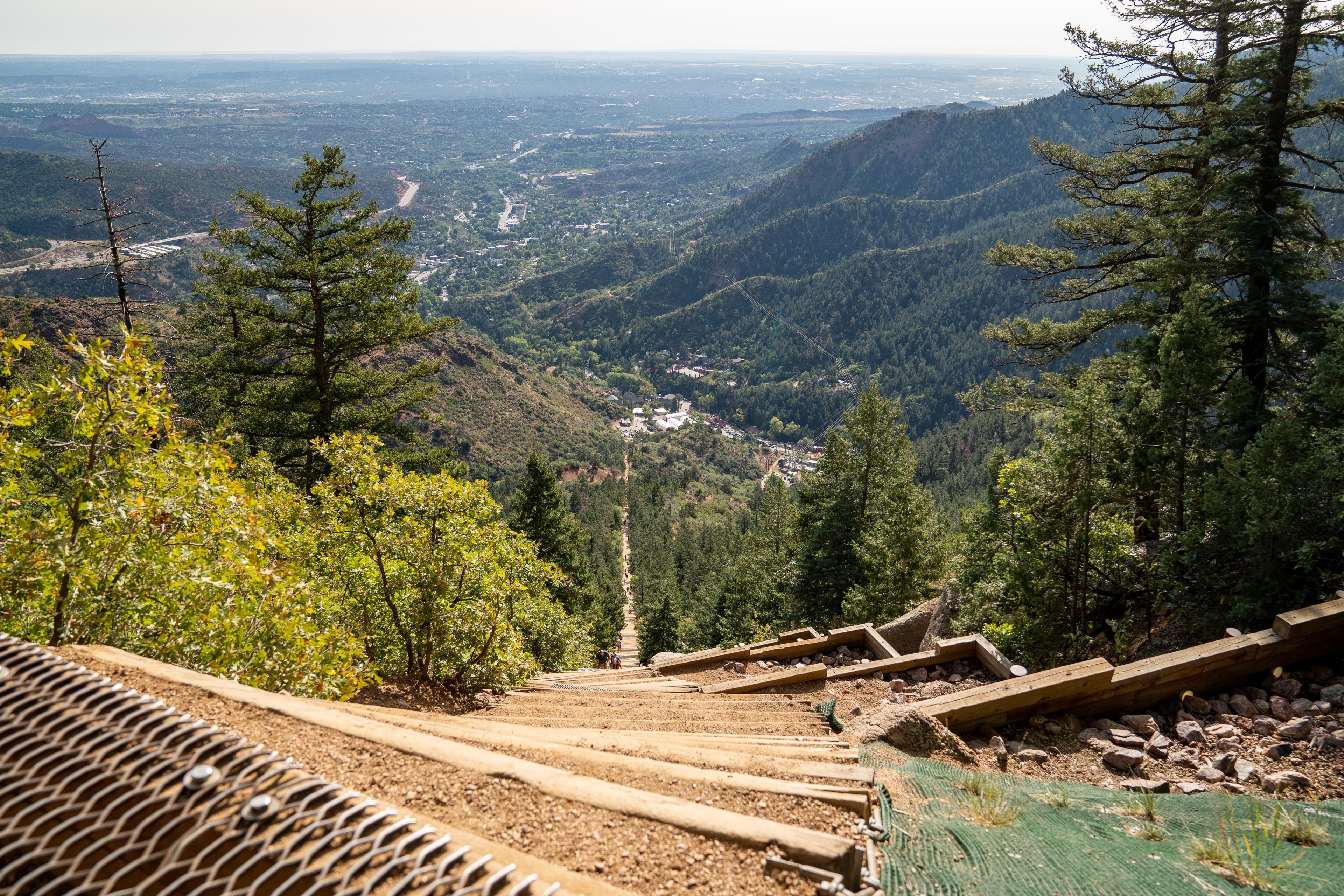
Manitou Springs is home to The Incline. This brutal hike gains over 2,000 feet of elevation in just under a mile—formerly a cable car track, now a fitness pilgrimage.
-
Olympic athletes use it for altitude training.
-
Fastest time recorded: under 17 minutes!
-
-
Manitou sits right next to the world-famous Garden of the Gods, where towering red rock formations create an alien-like landscape.