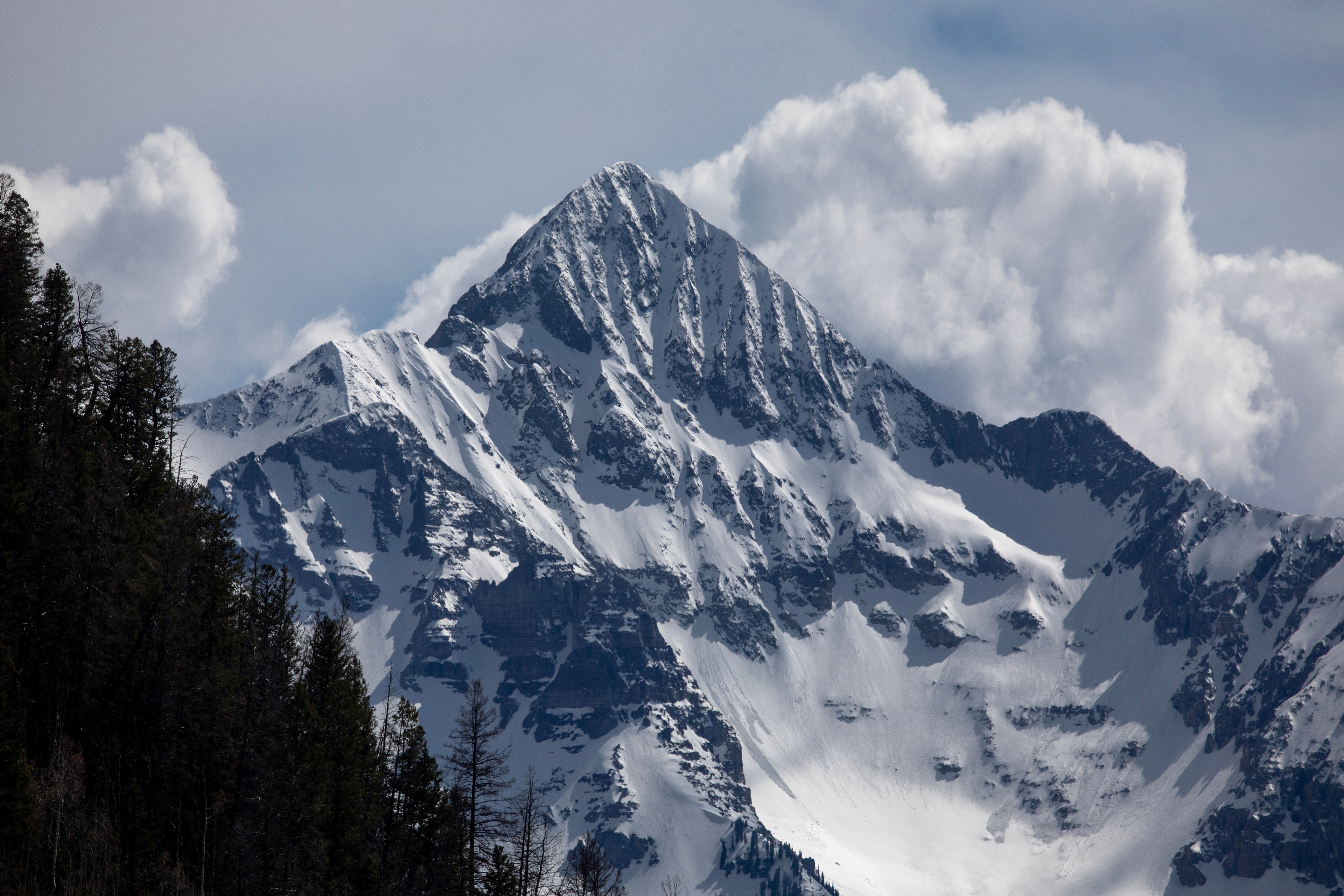
Lizard Head Wilderness
Seasonal Access & Weather
Seasonal Access
Routes remain snow-covered or icy into the shoulder seasons at these elevations, and many itineraries cross terrain that seldom drops below nine thousand feet. Most travel occurs in summer into early fall when snow retreats from high basins and passes. Even then, storms can temporarily affect trailhead access and footing. Winter and spring travel require mountaineering awareness, traction devices, and conservative plans due to lingering snowfields and short daylight. Please check current Forest Service alerts and regional forecasts before departure and be prepared to turn back if conditions deteriorate.
Weather Considerations
Expect quick-building thunderstorms in the warm season, strong winds on exposed ridges, and cold temperatures possible any month at higher elevations. Lightning risk increases in the afternoons during the summer monsoon pattern, and hypothermia is a hazard when precipitation combines with wind at altitude.
Late spring and autumn can bring early or late snowfall that obscures routes. In dry periods, regional fire danger may rise, triggering additional restrictions. Plan for sun protection at altitude, carry insulating and waterproof layers year-round, and monitor official updates for fire danger and special orders.