Lizard Head Wilderness
Geology & Ecology
Geological Features
Lizard Head crowns a landscape born of Oligocene volcanism, where extrusive ash-flow deposits overlie older sedimentary layers. Erosion sculpted the tower’s distinctive, brittle form, while Pleistocene ice shaped cirques, ridgelines, and basins that now hold streams and small lakes feeding the West Fork of the Dolores River. From Lizard Head (13,113 ft) to the Wilson Group fourteeners, the skyline reads like a primer on San Juan geology, volcanic highlands weathered into sheer faces and knife-edged divides.
Ecology & Wildlife
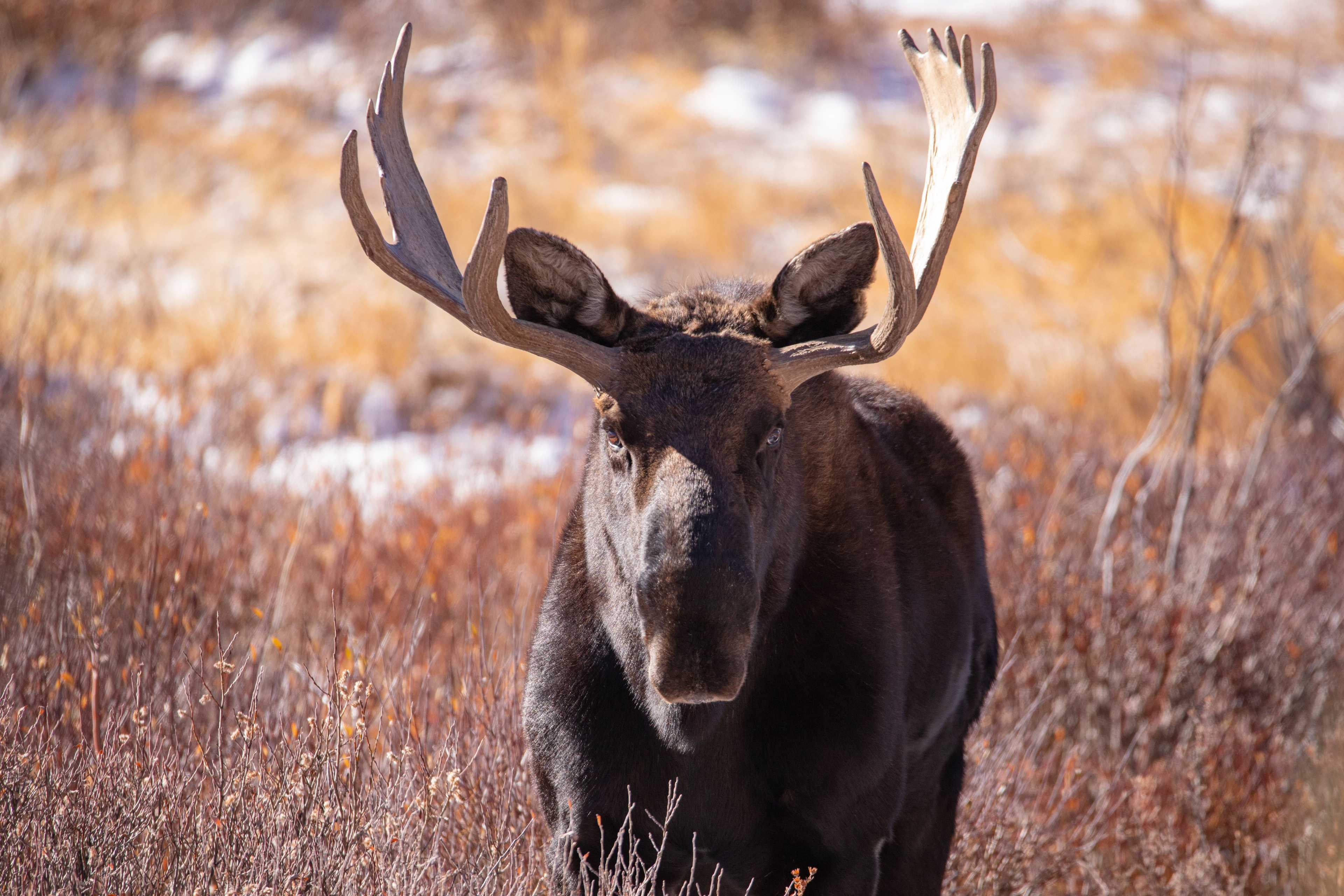
Trail corridors transition from aspen groves into spruce–fir forest, then open onto alpine meadows and tundra above treeline. Summer brings broad fields of wildflowers around Lizard Head Pass; autumn turns the lower slopes gold. The mosaic of forest, meadow, talus, and tundra provides habitat for a full suite of high-elevation wildlife typical of the San Juans, while the wilderness designation preserves the quiet conditions that these species and ecosystems rely upon.