Gunnison
History & Culture
Founding & History
Gunnison’s history begins in the mid-19th century, when the valley, long home to the Ute tribe, was surveyed by John W. Gunnison, for whom the city is named. Early explorers and trappers arrived in the 1840s, followed by prospectors in the 1860s seeking precious metals. Mining spurred settlement, with supply camps evolving into permanent structures, while ranching and agriculture soon became critical to sustaining the growing community.
The town was officially founded as the county seat of Gunnison County, with schools, churches, and government buildings established to serve residents.
Railroads and stagecoach routes connected Gunnison to surrounding communities, fueling steady growth through mining and agriculture. Historic Main Street developed into a commercial hub with hotels, saloons, and stores, while education became a focus, laying the foundation for Western Colorado University.
Through the late 19th and early 20th centuries, Gunnison’s residents endured the booms and busts of mining, ranching, and timber industries, while maintaining a strong sense of community through churches, clubs, and organizations. Its architecture, reflecting Victorian, Western frontier, and early 20th-century styles, remains a visible link to the past, many buildings preserved or restored as part of downtown revitalization.
The advent of automobiles and better roads expanded access, turning Gunnison into a hub for tourism and outdoor recreation by the mid-20th century.
Conservation efforts grew alongside recreation, protecting forests, rivers, and wildlife. Today, Gunnison balances its frontier roots with modern identity, embracing education, historic preservation, tourism, and outdoor adventure as defining features of this vibrant mountain community.
Cultural Significance
Gunnison’s culture is closely tied to its mountainous environment, emphasizing outdoor recreation, conservation, and environmental stewardship. Outdoor sports like fly fishing, skiing, and mountain biking are central to community life, while seasonal festivals and social gatherings strengthen bonds among residents and visitors. The alpine climate influences traditions, from winter sports to harvest celebrations, reinforcing the city’s connection to nature.
The community also thrives as a regional hub for arts and culture, with galleries, theaters, and performance venues showcasing local talent. Western Colorado University enriches this scene by hosting art exhibitions, lectures, and music events. Public art, including murals and installations, reflects Gunnison’s landscapes, wildlife, and history, while local folklore, storytelling, and educational initiatives preserve knowledge of geology, ecology, and heritage for future generations.
Ranching traditions remain vital, celebrated through rodeos, livestock shows, harvest fairs, and the annual Cattlemen’s Days. Native American history, particularly of the Ute tribe, is recognized through museum exhibits, cultural programs, and events that honor their legacy. Community organizations contribute to cultural continuity with craft markets, music festivals, and seasonal fairs, while the local culinary scene highlights Western and mountain cuisine using locally sourced ingredients and family recipes.
Notable Events & Stories
Gunnison’s history is deeply rooted in mining, ranching, and pioneer resilience. The city rose as a supply hub during the Colorado Silver Boom, attracting a diverse population and supporting nearby mines, while ranching and cattle drives shaped its economy and social traditions. These roots live on in Cattlemen’s Days and century-old gatherings at the Gunnison County Fairgrounds. Local storytelling continues to preserve the experiences of miners, settlers, and pioneers who shaped the Gunnison Valley.
Infrastructure and community development were often responses to natural challenges and opportunities. Harsh winter storms, floods in the late 1800s and early 1900s, and significant wildfires influenced local emergency preparedness, flood control projects, and forest management strategies. The arrival of the railroad expanded commerce and cultural exchange, while Western Colorado University spurred educational growth, drawing scholars and performers that enriched the community.
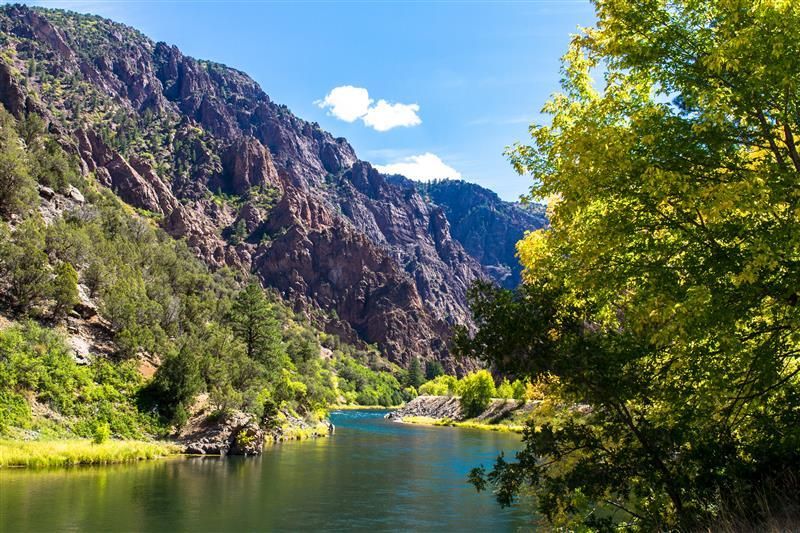
Conservation and recreation have also played a defining role in Gunnison’s history. Efforts to protect the Black Canyon and surrounding landscapes fostered environmental awareness, while winter sports competitions established Gunnison as a hub for skiing and snowboarding. Annual athletic events, such as races between Crested Butte and Gunnison, highlight the city’s outdoor spirit.
Collaborations with the Ute tribes and historical societies ensure indigenous history remains honored through exhibits, educational programs, and storytelling sessions that connect past and present.
Local Heroes & Notables
John W. Gunnison, the city’s namesake, was an Army officer and surveyor whose exploration helped map the region and establish settlement routes.
Early mining pioneers contributed to the town’s establishment, building infrastructure and laying the foundation for its growth during Colorado’s mining boom.
Ranching families who settled in the Gunnison Valley played a crucial role in developing agricultural practices suited to the alpine environment.
Educators who helped establish schools and Western Colorado University created enduring opportunities for learning and cultural enrichment.
Conservationists in Gunnison led efforts to preserve public lands, rivers, and forests, ensuring that natural resources remain accessible to future generations.
Artists and musicians from the region have contributed to cultural enrichment through public performances, exhibitions, and educational programs.
Fun & Surprising Facts
Gunnison is home to one of the highest-elevation towns in Colorado, situated over 7,700 feet (2,347 m) above sea level, which creates a unique alpine climate.
The city’s name comes from John W. Gunnison, a United States Army officer and surveyor who explored the region in the mid-19th century.
Gunnison was originally a supply hub for miners who worked in the surrounding mountains, making it an essential location during Colorado’s mining boom.
The city is surrounded by more than two million acres of public land, including national forests and wilderness areas, providing vast outdoor opportunities directly from the town.
Gunnison hosts the largest annual Cattlemen’s Days festival in Colorado, which includes rodeos, parades, and a celebration of the region’s ranching culture.
It is one of the few towns in the state where you can access world-class fly fishing rivers within a short drive from the city center.
Western Colorado University campus includes a museum with historic artifacts, geological collections, and exhibits highlighting the region’s Native American history.
Gunnison experiences over 300 days of sunshine annually, making it an ideal location for outdoor activities year-round despite the alpine elevation.
The surrounding Gunnison Valley was historically part of the Ute tribe’s homeland, and their influence is still present in place names and cultural references.
Gunnison has a tradition of winter sports dating back to the early 20th century, with ski clubs and sledding areas established by local families and community groups.
The city’s architecture reflects a mix of Victorian and early 20th-century styles, including restored commercial buildings and historic homes that line Main Street.
Gunnison is a hub for environmental and conservation initiatives, with community-led programs protecting wildlife, rivers, and forested areas surrounding the city.