Grand Mesa National Forest
Seasonal Closures
Seasonal Closures
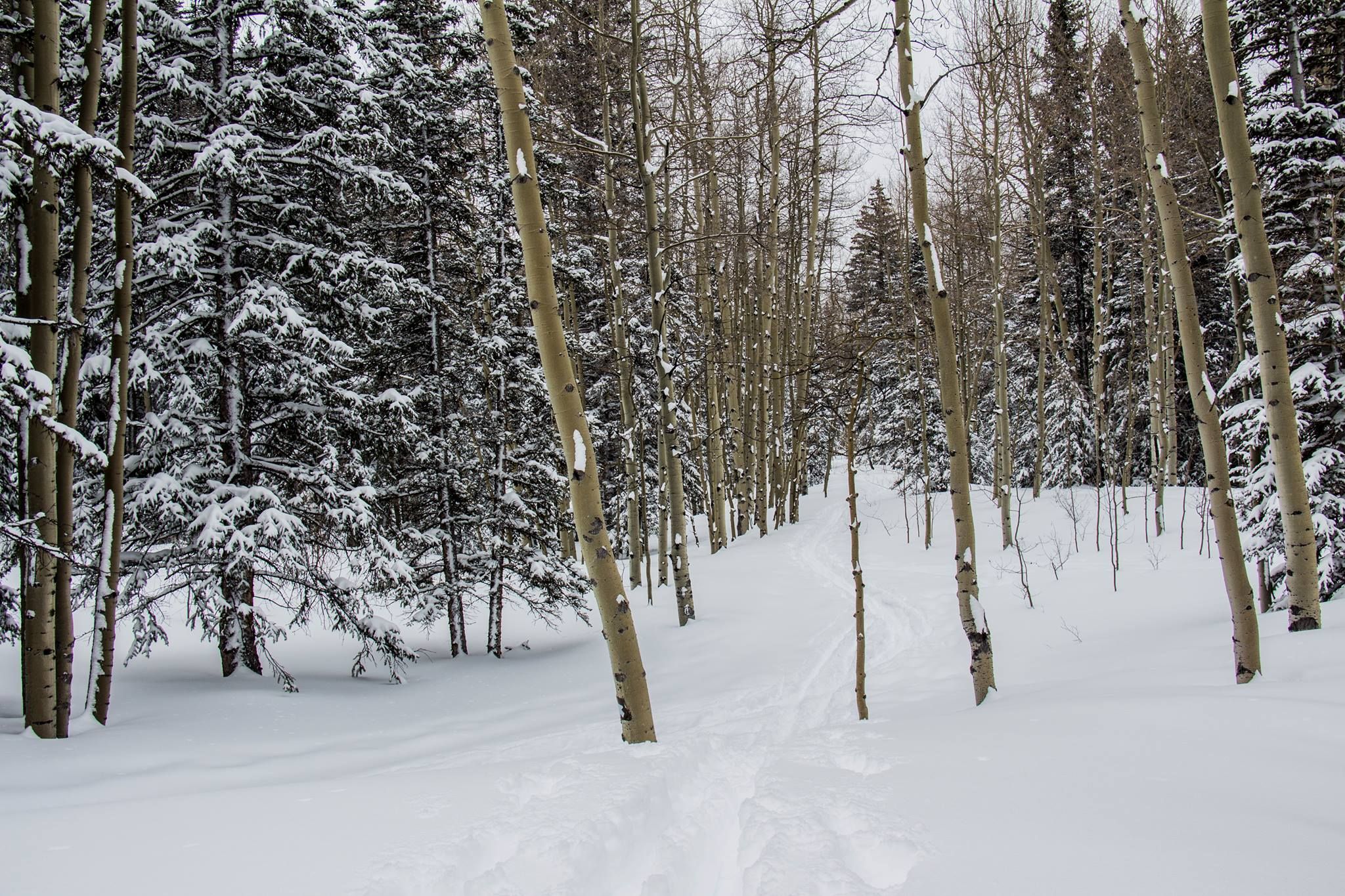
Perched around 10,000-11,000 feet, Grand Mesa runs on a true alpine calendar. The Grand Mesa Scenic & Historic Byway (Hwy 65) is paved and serves as the year-round backbone for sightseeing, but winter storms and heavy snow can affect travel; spring melt brings soft roads and staged re-openings. Each year, forest managers close gates on select roads for spring, then reopen them as surfaces dry out and maintenance finishes, watch for annual notices as dates approach.
Motorized access on secondary roads and trails follows the Motor Vehicle Use Map (MVUM), which shows what routes are open to which vehicles and the seasonal dates tied to weather and resource protection. Pair the MVUM with the Current Conditions page (or a quick call to a ranger district) for real-time status on openings, mud closures, and lingering snow.
Planning essentials: the Grand Mesa Visitor Center operates daily from Memorial Day weekend through the last Sunday in September and is a smart stop for the latest maps, MVUMs, and any current orders affecting lakes, roads, or campgrounds.
Wildlife Closures
To give animals breathing room during critical seasons, parts of the GMUG forests enact seasonal wildlife closures. You may see winter wildlife gates or area closures (by district) designed to reduce disturbance to elk and other big game while they conserve energy and move through winter range. On some districts, gates typically close in early winter and reopen as conditions allow in spring. Always honor posted signs and forest orders, routes can change by year, snowpack, and herd needs.
Wildlife protections can also extend to nesting or sensitive habitats and may be announced through district news releases and Alerts & Notices. If your plan involves lesser-used roads or shoulder-season travel, check for active wildlife closures before you go and be prepared with alternate stops, there’s no shortage of scenic pullouts and lakes to swap in.