Durango
History & Culture
Founding & History
Durango was founded in 1880 by the Denver & Rio Grande Railroad as a hub to service nearby mining communities in the San Juan Mountains. The railroad transformed the area, bringing in settlers, supplies, and a steady flow of commerce.
Long before the railroad era, however, the region was home to the Ancestral Puebloans, who built intricate cliff dwellings in nearby Mesa Verde. Their legacy remains a cornerstone of Durango’s historical identity and draws global interest today.
As the mining industry grew, Durango prospered with hotels, saloons, and cultural institutions springing up along its bustling Main Avenue. The historic downtown still reflects this rich architectural and social heritage.
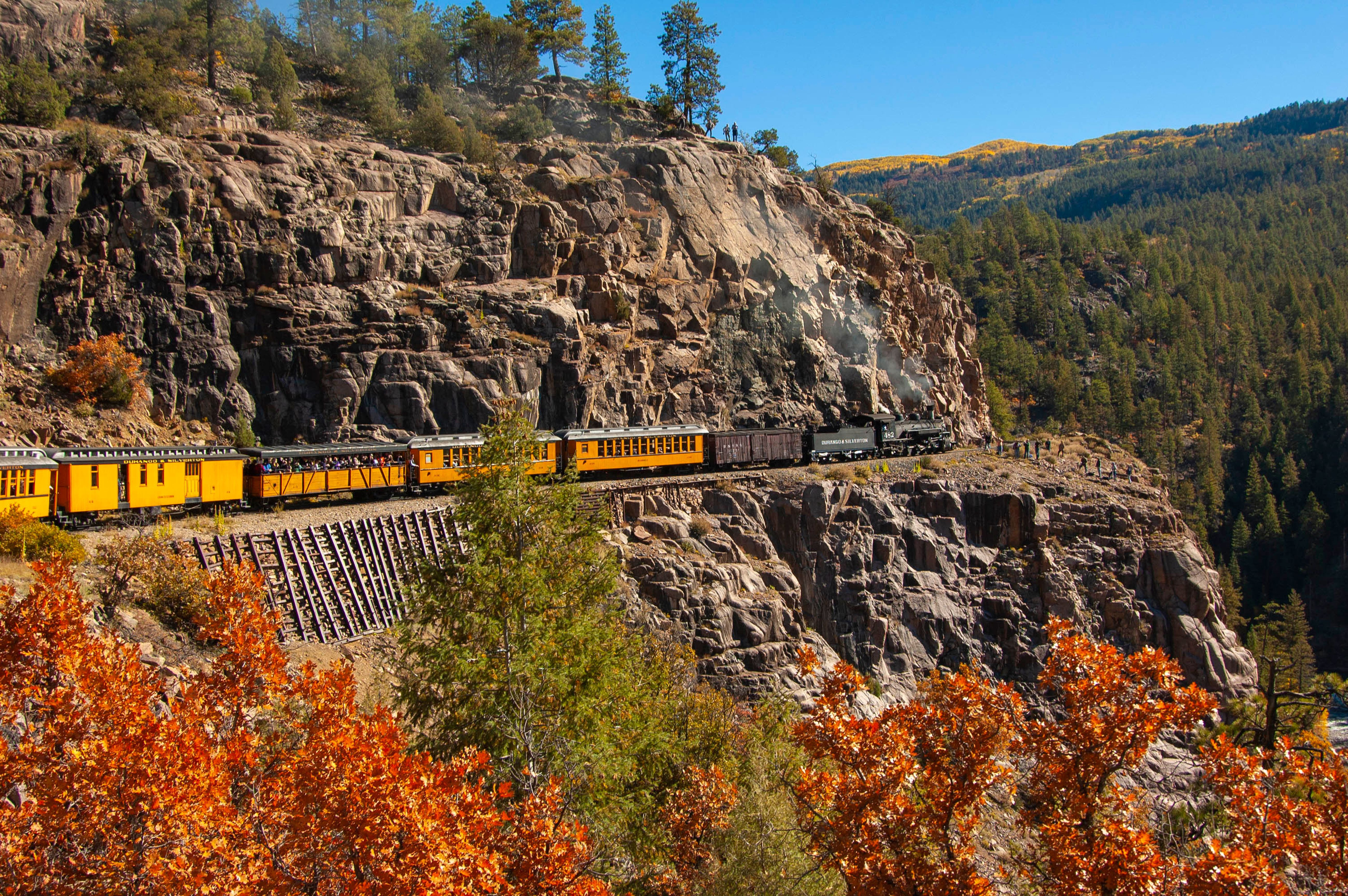
Even after the decline of large-scale mining, the Durango & Silverton Narrow Gauge Railroad continued to operate, shifting from cargo to tourism. Today, it stands as one of the most iconic heritage railways in the United States.
Cultural Significance
Durango’s cultural significance lies in its fusion of Native American, Hispanic, and Western traditions. Events like powwows, art festivals, and music gatherings celebrate this diversity and keep cultural stories alive for future generations.
Artisans, writers, and musicians often draw inspiration from the rugged landscapes and rich history. Local galleries and theaters showcase these talents, helping Durango remain a cultural hub in southwestern Colorado.
The town also serves as a gateway to sacred lands, national parks, and cultural landmarks, making it a place where heritage and environment are deeply connected. Its cultural institutions foster respect for both past traditions and contemporary voices.
Durango’s strong emphasis on storytelling whether through museums, oral histories, or community events helps weave together the narratives of its Indigenous peoples, settlers, and modern residents. This shared history defines the town’s spirit.
Notable Events & Stories
One of Durango’s most notable events is the annual Snowdown Festival, which began in 1979 and brings winter cheer with costumes, parades, and quirky competitions. It reflects the community’s playful and creative spirit.
Another key event is the Iron Horse Bicycle Classic, where cyclists race the historic train from Durango to Silverton. This event blends athleticism, history, and local pride in a way few other towns can replicate.
Durango also played an important role in railroad history, with countless stories of grit, innovation, and hardship tied to its tracks. These tales continue to be told to visitors who ride the restored steam locomotives today.
Local lore includes stories of mining fortunes won and lost, ghost towns in the mountains, and the resilience of a community that survived economic shifts while preserving its identity. These narratives enrich Durango’s living history.
Local Heroes & Notables
Durango has been home to many figures who shaped its identity, from railroad builders and mining pioneers to contemporary leaders in conservation and culture. Their efforts helped transform a frontier town into a thriving community.
Among its notables are Native American leaders and artisans whose contributions continue to influence art and tradition in the region. Their heritage is honored through local museums and cultural institutions.
Modern notables include athletes, musicians, and writers who found inspiration in Durango’s landscapes and community spirit. Their achievements have carried the town’s name far beyond Colorado.
Above all, Durango celebrates the everyday heroes, teachers, ranchers, conservationists, and entrepreneurs who sustain its character and ensure that its legacy remains vibrant for generations to come.
Fun & Surprising Facts
Durango has often been a backdrop for Hollywood films, with classic Westerns like Butch Cassidy and the Sundance Kid making use of its dramatic scenery. The town is also known for having more restaurants per capita than many larger cities, reflecting its strong food culture.
Another surprising fact is that Durango’s altitude, over 6,500 feet above sea level, contributes to its crisp climate and intense starry skies. This makes it a favorite destination for astronomers, photographers, and travelers seeking clear mountain air.