Crested Butte
History & Culture
Founding & History
Crested Butte, founded in the late 1800s, began as a coal mining town in Gunnison County, Colorado. Early settlers, mostly miners and their families, built cabins and small businesses while railroads enabled coal transport to larger cities, fueling growth. Schools and churches were quickly established, reflecting the community’s commitment to education and social ties. Distinctive Victorian-era architecture emerged, shaping the town’s identity and giving it a lasting historic character.
The mining boom attracted workers from neighboring states and immigrants, creating a culturally diverse population. Life for miners was harsh, marked by dangerous conditions, harsh winters, and limited medical resources, but their resilience established the foundation of the town’s enduring spirit. Social organizations such as fraternal lodges and volunteer fire brigades strengthened communal bonds, while education expanded to support the needs of families in the growing settlement.
As the 20th century progressed, coal production declined due to national energy shifts and competition, pushing Crested Butte to diversify its economy. Historic buildings were preserved even as new industries emerged, reinforcing the town’s unique architectural identity. Environmental awareness began to grow, with efforts to protect the region’s alpine meadows, rivers, and forests from overuse. Railroad access, though reduced over time, had been crucial to both mining and tourism, keeping the town connected to broader economic networks.
The arrival of skiing in the 1960s transformed Crested Butte into a recreational hub. Local volunteers initially developed trails and infrastructure, creating a deep community connection to the sport. Tourism flourished, with restaurants, lodging, and services expanding to accommodate visitors, while summer recreation also grew popular. The preservation of Victorian architecture remained central, ensuring development complemented the historic aesthetic. By the late 20th century, Crested Butte had successfully transitioned from mining to a thriving center for outdoor recreation, culture, and sustainable living, balancing heritage, tourism, and environmental stewardship.
Cultural Significance
Crested Butte’s cultural identity is deeply connected to its natural environment, with the surrounding mountains, rivers, and alpine meadows shaping both lifestyle and recreation. Outdoor activities such as skiing, mountain biking, hiking, and fishing are central to the town’s character, drawing both residents and visitors who value responsible exploration of the outdoors. This connection to nature also fosters a strong ethic of environmental stewardship, with locals participating in conservation projects, wildlife protection, and trail maintenance.
The town’s creative spirit is equally vibrant, with art galleries, studios, and cultural festivals showcasing painting, sculpture, music, and performance. Music plays a particularly central role, with both intimate and large-scale events featuring local musicians and visiting artists.
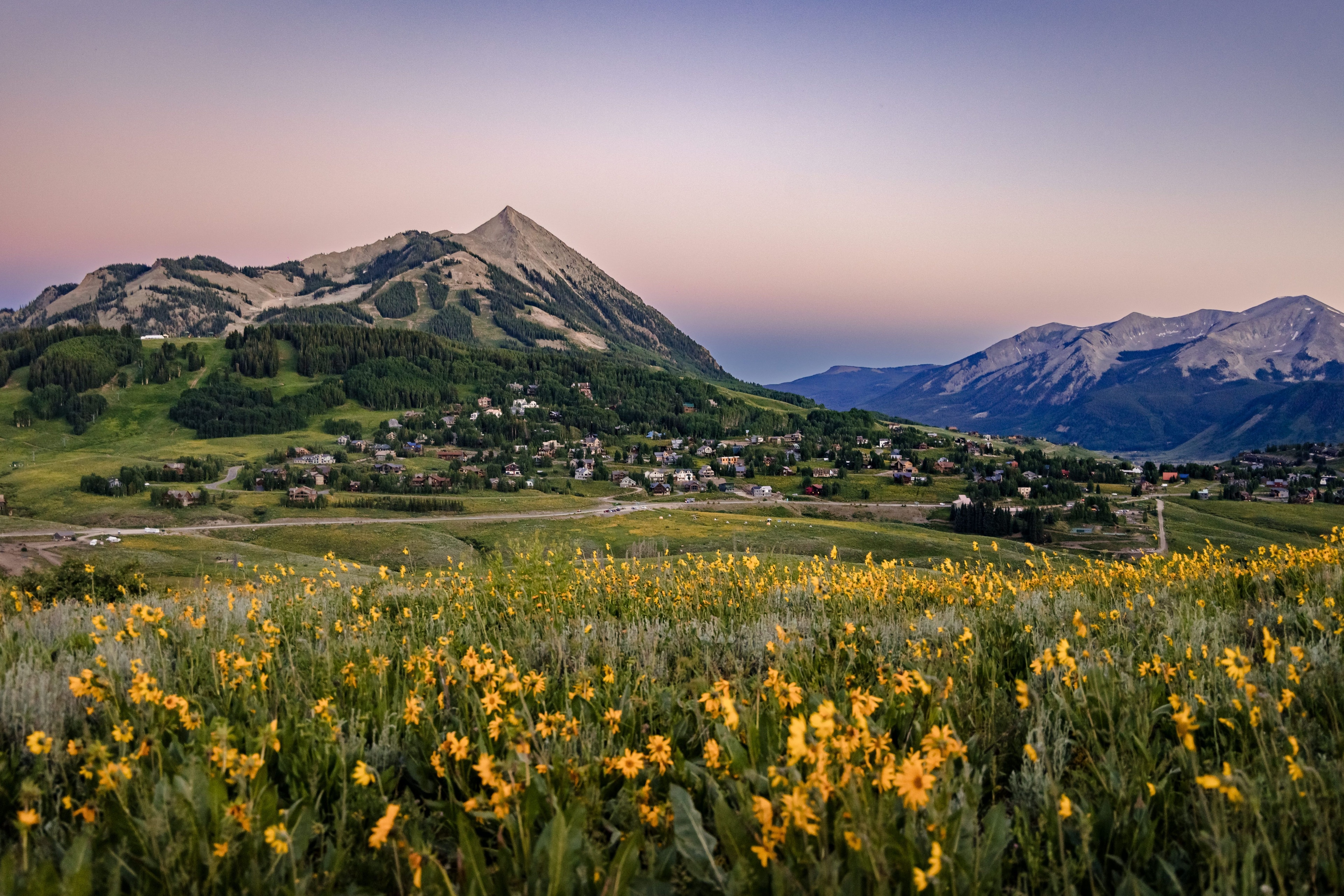
The celebrated Wildflower Festival blends nature and culture, offering guided hikes, educational programs, and artistic experiences that highlight the area’s alpine ecosystem while strengthening community ties.
Crested Butte’s culinary traditions reflect its values of sustainability and community, emphasizing farm-to-table dining and locally sourced ingredients in its restaurants, bakeries, and cafés. The artisan community adds another layer of cultural richness, producing pottery, jewelry, textiles, and woodworking that preserve traditional skills and support small-scale commerce. Workshops, lectures, and art classes offer opportunities for lifelong learning, ensuring that culture and education are woven into daily life for both youth and adults.
Community cohesion is reinforced through parades, charity fundraisers, outdoor performances, and recreational events like races and competitions, which double as cultural expressions. Historic preservation of downtown architecture, heritage sites, and streetscapes provides a tangible link to the past, while sustainability initiatives, including eco-friendly lodging, recycling, and responsible tourism, strengthen the town’s cultural ethos. Together, natural beauty, outdoor recreation, artistic expression, and heritage preservation create a unique cultural landscape that balances tradition with innovation, attracting visitors seeking both adventure and enrichment.
Notable Events & Stories
The Wildflower Festival is one of Crested Butte’s most celebrated events, attracting thousands of visitors each year to explore the alpine meadows and participate in cultural activities. It has become a symbol of the town’s commitment to nature and community.
Winter sports competitions, including skiing and snowboarding events, have shaped the town’s reputation as a premier mountain destination. These competitions often bring athletes from around the country and foster a culture of excellence and adventure.
Crested Butte has a tradition of community storytelling and historical preservation, with events highlighting mining heritage, pioneer life, and local legends. Annual reenactments and museum exhibits bring the town’s past to life for visitors and residents.
Local environmental initiatives, such as trail conservation and wildlife protection, have played a crucial role in preserving the town’s surrounding natural areas. Stories of early conservationists who fought to protect alpine habitats continue to inspire current generations.
The establishment of the ski resort in the 1960s is a landmark event in the town’s history, marking a shift from mining to recreation and tourism. Early ski pioneers laid the groundwork for what is now a major contributor to the local economy.
Crested Butte’s mountain biking culture is another notable story, originating in the late 20th century when local enthusiasts began developing trails. Today, it is recognized internationally as a top mountain biking destination.
The town’s artistic and musical events, often held in historic buildings or outdoor venues, celebrate both local talent and visiting performers. These events contribute to the vibrant cultural atmosphere and community cohesion.
Residents have long emphasized sustainability and responsible tourism, creating a model for balancing growth with environmental stewardship. Tales of collective action to preserve natural and historic resources underscore the town’s values.
Local Heroes & Notables
Several local figures contributed to Crested Butte’s transformation into a premier outdoor destination. Early conservationists helped protect surrounding wilderness areas, ensuring access for future generations.
Prominent artists and musicians from the town have gained regional recognition, contributing to Crested Butte’s reputation as a creative hub. Ski pioneers and mountain sports enthusiasts from the area helped establish the first ski resort, paving the way for the town’s modern recreation economy. Local educators and civic leaders have also played a role in fostering a strong sense of community and environmental responsibility.
Fun & Surprising Facts
Crested Butte is widely celebrated as the “Wildflower Capital of Colorado,” with summer meadows bursting with vibrant blooms including lupines, Indian paintbrush, columbines, and sunflowers.
The town has preserved more than 80 Victorian-era buildings downtown, making it one of the most historically intact mining towns in Colorado.
Crested Butte was one of the earliest mountain towns to embrace both skiing and mountain biking as central recreational activities, creating a culture that blends winter and summer adventure.
The surrounding peaks are part of a laccolith formation, giving the mountains their dramatic, rugged appearance and attracting geologists and photographers alike.
Crested Butte’s ski resort, established in the 1960s, is famous for steep terrain and off-piste skiing, earning a reputation as a destination for expert skiers. Its mountain biking trails are considered some of the best in North America, drawing athletes to both competitive and recreational events.
The town has a strong commitment to environmental sustainability, with local businesses offering eco-friendly lodging, farm-to-table restaurants, and zero-waste initiatives.
The town hosts an annual Wildflower Festival, which celebrates the alpine blooms through guided hikes, photography tours, and educational programs. Crested Butte has been the backdrop for several independent films and photography projects due to its unique combination of historical architecture and dramatic natural landscapes.
Many local artists sell handmade crafts at outdoor markets, maintaining a tradition of creative entrepreneurship dating back decades.
Crested Butte has a rich history of community engagement, with residents organizing music festivals, parades, and charity events that foster a sense of belonging. Despite its small size, the town has a lively arts scene, including galleries, workshops, and performance spaces. Local culinary traditions emphasize sustainable sourcing and regional ingredients, reflecting both the culture and environment of the area.
The town’s wildlife is diverse, with elk, mule deer, black bears, and mountain lions inhabiting nearby wilderness areas. Birdwatchers often spot eagles, hawks, and bluebirds in alpine meadows. Crested Butte also maintains several conservation areas, ensuring that flora, fauna, and geological features are preserved for future generations.