Boulder
History & Culture
Founding & History
Boulder, Colorado, began as a small mining settlement in the late 1850s, founded by a group of prospectors led by Thomas Aikins during the Colorado Gold Rush. After striking gold near Boulder Creek, these early settlers formed the Boulder City Town Company in February 1859, laying out thousands of lots despite having settled in violation of the 1851 Treaty of Fort Laramie—a treaty that had designated the land to the Southern Arapaho.
By 1871, Boulder was officially incorporated, and in 1876 the city welcomed a pivotal development: the territorial legislature designated Boulder as the site for the University of Colorado. The university's first building, Old Main, was laid that same year, and it opened its doors to students in 1877.
In the years that followed, Boulder transitioned from a mining outpost into a center for culture and learning. The Colorado Chautauqua established in 1898 became a lasting institution of public education, arts, and community gatherings.
By the early 20th century, Boulder had emerged as a progressive town that prioritized both innovation and quality of life, evident in its early historic preservation efforts and the establishment of attractions like the Hotel Boulderado.
Simultaneously, Boulder solidified its identity as a hub for science and innovation. The 1950s brought key institutions such as the National Bureau of Standards (now NIST), which developed the U.S. atomic clock, as well as other federal organizations that helped transform the city into a cradle of technological and atmospheric research.
Cultural Significance
- Nestled at the base of the Rocky Mountains, Boulder embraces its natural setting as central to community identity. Since the 1898 establishment of the Colorado Chautauqua—a year-round hub for education, music, and dialogue—it has fostered an enduring cultural and intellectual tradition.
- The city hosts the long-running Colorado Shakespeare Festival, established in 1958 at the University of Colorado Boulder. This acclaimed festival draws thousands annually to enjoy classic and contemporary theater under the stars.
- The Boulder Dushanbe Teahouse, a gift from Boulder’s sister city in Tajikistan, is a stunning example of handcrafted Persian design and cultural diplomacy. Built entirely by Tajik artisans, it embodies global friendship and artistic dedication.
- Boulder’s arts milieu continues to deepen: starting in 2027, the Sundance Film Festival will relocate from Utah, bringing its cinematic prominence to Boulder—testament to the city’s thriving arts infrastructure and student-driven creative culture.
- With over 1,300 designated historic properties, Boulder’s commitment to historic preservation shapes its cultural landscape and tells the story of its evolving identity.
Notable Events & Stories
-
Pearl Street's Wild West Origins
Boulder’s famed Pearl Street got its name either from a prospector’s wife or a well-known madam—stories vary. In 1894, a catastrophic spring thaw triggered floods that devastated east Boulder, washing away bridges and neighborhoods. Pearl Street would later emerge as the vibrant Pearl Street Mall, blending history with modern life.
-
Los Seis de Boulder (1974)
In May 1974, six Chicano activists and University of Colorado students were tragically killed in car bombings in Boulder—an underrecognized chapter of the Chicano civil rights movement. In 2024, the city honored their memory with a public art dedication at 17th and Pearl Streets, marking the 50th anniversary of the tragedy.
-
JonBenét Ramsey Case
The JonBenét Ramsey case stands as one of Boulder’s most haunting chapters—a tragic event that brought national attention to the city and continues to challenge law enforcement with its unresolved legacy. In 1996, 6-year-old Ramsey was found murdered in her family home and the case has been left unsolved for nearly 30 years.
-
Sundance Film Festival Moves to Boulder
Beginning in 2027, the prestigious Sundance Film Festival will relocate from Park City to Boulder. The city’s community spirit, arts engagement, and natural surroundings helped propel this decision—endorsed by festival founder Robert Redford.
Local Heroes & Notables
-
David Carradine
An actor known for his roles in Kung Fu, Kill Bill, and the Long Riders. He lived in Boulder for a period of time.
-
Jessica Biel
An actress, known for 7th Heaven, The Illusionist, and the Texas Chainsaw Massacre. She was raised in Boulder and is an alum of Fairview High School.
-
Susan Osborne
Mayor of Boulder from 2009–2011, Osborne previously dedicated two decades to city planning—including crafting Boulder’s creek restoration and bike-path systems. She is commemorated with a plaque along the Boulder Creek Path.
-
Penfield Tate II
Boulder’s first and only Black mayor, serving from 1974–1976. A pioneering LGBTQ activist, he championed early reforms and shaped the city’s progressive reputation. Boulder has honored his legacy through community artworks and even proposed renaming its municipal building after him.
-
Scott Carpenter
A Boulder native, Carpenter became the second American to orbit Earth as a Mercury astronaut. In his honor, Boulder named a park and pool after him, complete with a rocket sculpture; multiple schools also bear his name.
-
Wendy Woo
A celebrated Boulder-born singer-songwriter, Woo has shaped Colorado's music scene and earned a place in the Westword Music Awards Hall of Fame. Her family was also deeply connected to Boulder’s Beat Generation circle.
Fun & Surprising Facts
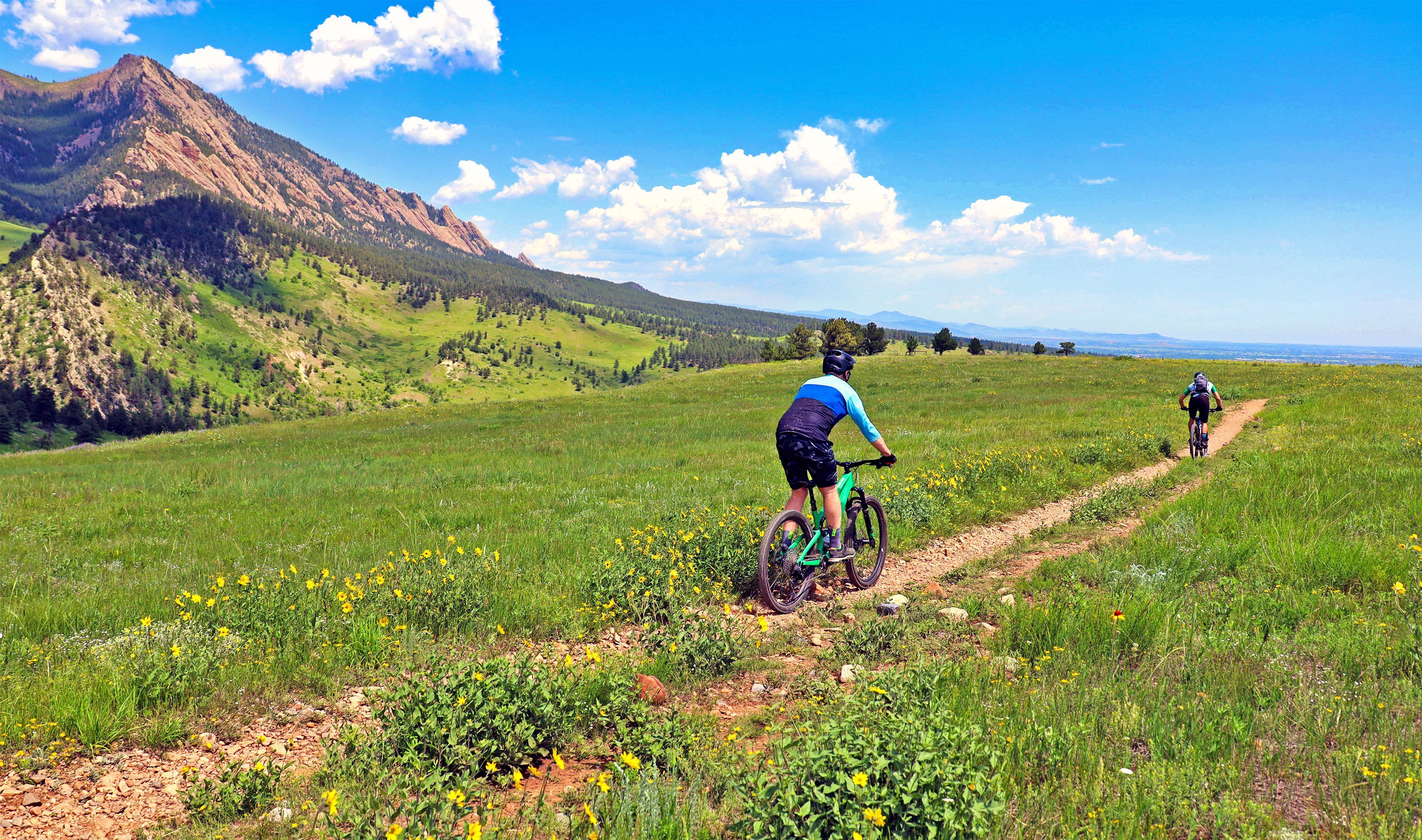
- A Colorado Daily poll found that seven out of 10 Boulderites own bicycles—and the estimated bike count in the city is around 93,000, nearly matching its population.
- The historic Chautauqua Auditorium (built in 1898) often features evening concerts where owls nestled in the rafters hoot along with the music.
- In 1967, Boulder became the first city in the nation to tax itself specifically to acquire, maintain, and preserve open space. Today, the city protects roughly 45,000 acres of open land.