Black Canyon of the Gunnison National Park
Geology & Ecology
Geological Features
The Black Canyon is renowned for some of the steepest cliffs, oldest rock, and craggiest spires in North America. Its walls expose Precambrian rock dating back nearly 2 billion years, shaped by the relentless cutting power of the Gunnison River.
Over millions of years, this river has carved one of the narrowest and deepest canyons on the continent, dropping an average of 34 feet per mile, one of the steepest descents of any river in North America.
Visitors can witness striking formations such as the Painted Wall, the tallest cliff in Colorado, and unique pegmatite dikes that form dramatic light-colored streaks across the dark canyon walls.
Ecology & Wildlife
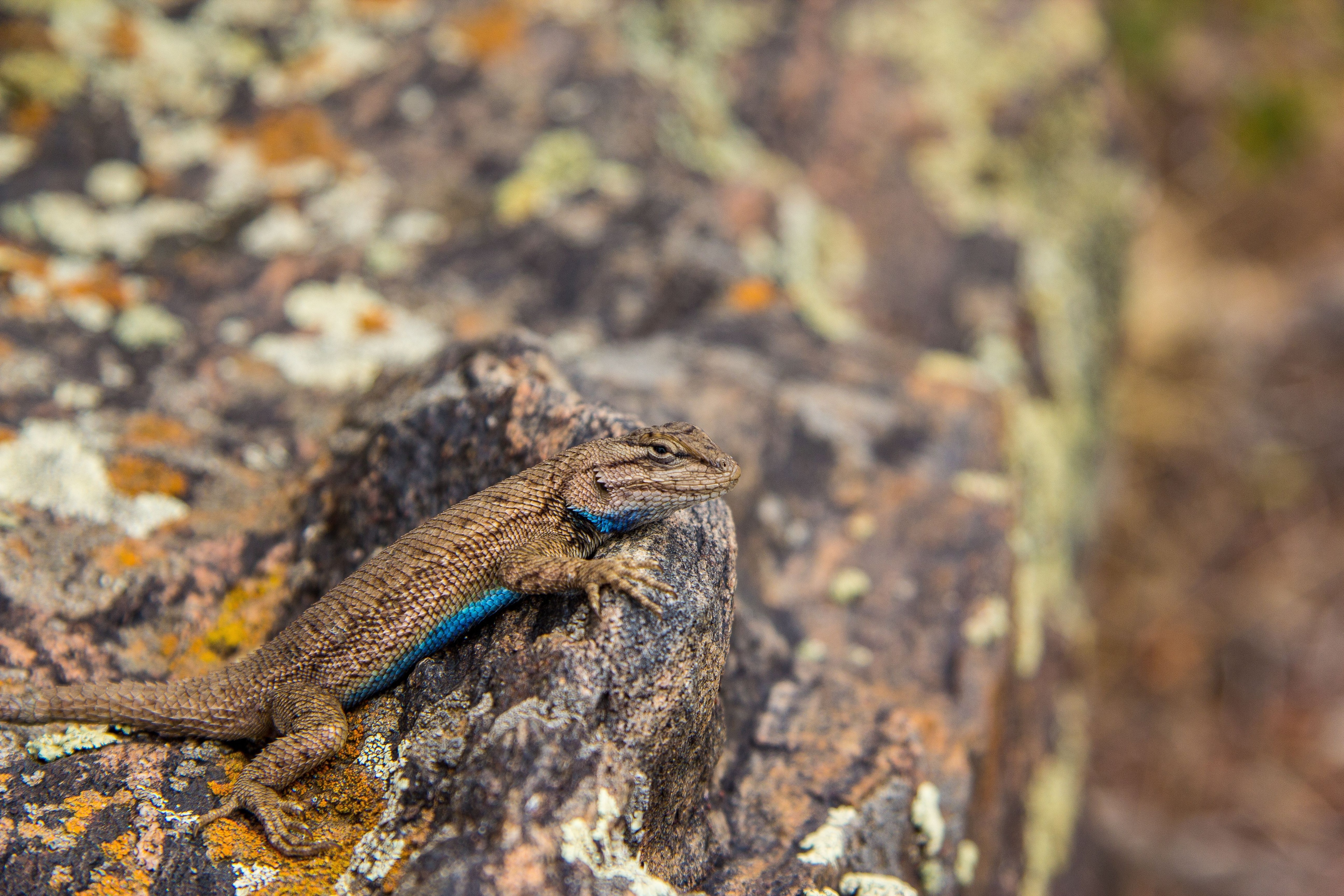
Despite the rugged terrain, the park sustains a variety of ecosystems ranging from piñon-juniper woodlands on the rim to riparian habitats along the river. The area supports a wide range of wildlife including mule deer, elk, black bears, and mountain lions. Birdlife is especially rich, with peregrine falcons, golden eagles, canyon wrens, and great horned owls regularly spotted within the cliffs and skies above.
The Gunnison River itself provides habitat for native fish species such as the flannelmouth sucker and roundtail chub.
The combination of dramatic geology and thriving ecosystems makes the Black Canyon both a natural laboratory and a sanctuary for biodiversity.