Aspen
Getting Around
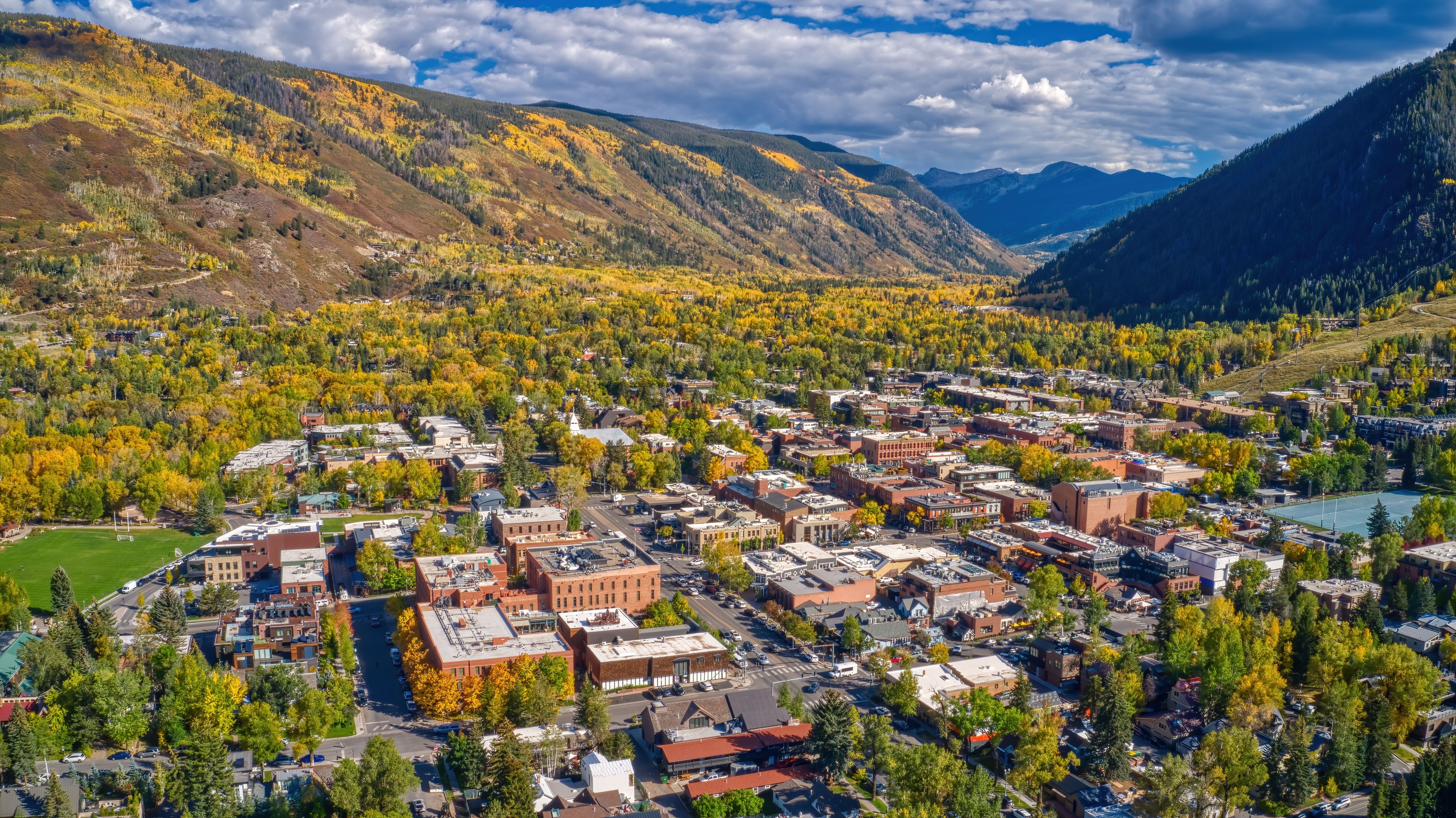
Driving into Aspen follows a scenic valley road that narrows as it approaches the downtown core. Expect slow speeds near the center where pedestrians have priority and traffic calming is common. A high mountain pass to the east is seasonal and closes in winter weather, so most year round access is from the west through the valley. Wayfinding is straightforward with a simple grid in the core and clear signage to public parking and the transit center.
Winter brings packed snow and ice, so visitors should plan for traction rules on higher routes and allow extra time during storms. In summer and fall, traffic peaks around weekends and during major events. Many visitors park once and switch to walking, transit, or bikes since most attractions, shops, and restaurants cluster within a few blocks of each other.
Public Transportation
Aspen has a well-developed public transportation system operated by the Roaring Fork Transportation Authority (RFTA). RFTA provides a network of bus routes that connect the town to nearby communities like Snowmass Village, Basalt, Carbondale, and Glenwood Springs. Within Aspen itself, a system of free shuttles and buses makes it easy to get to different parts of town, including the various ski areas. This is a very convenient option for visitors who want to avoid the hassle of parking. RFTA's buses operate on a reliable schedule, and many routes are active from early morning until late at night.
Walkability & Bike Friendliness
Downtown is pleasantly walkable with short blocks, wide sidewalks, and car free pedestrian malls. Many streets feature slow speeds and frequent crossings. A paved multi use path follows the old rail corridor toward the valley, connecting Aspen to parks, neighborhoods, and nearby towns. In town lanes and signed routes tie neighborhoods to the core, and a public bike share operates during the warm months with docks near hotels, parks, and transit. Summer and fall are ideal for casual rides, while winter grooming supports Nordic travel on designated corridors. Visitors can comfortably combine sidewalks, paths, and local shuttles to reach most trailheads and attractions without a car.